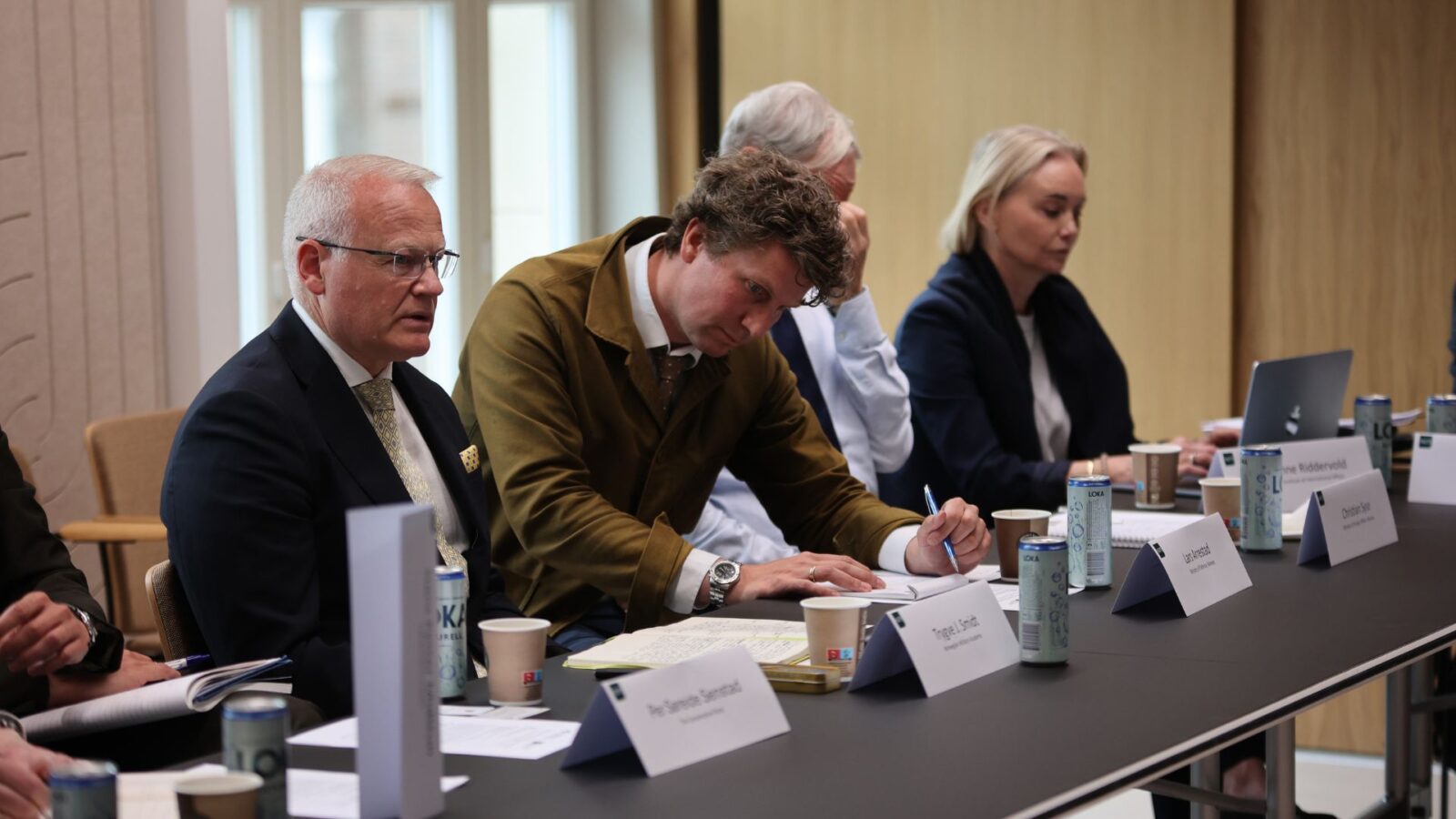
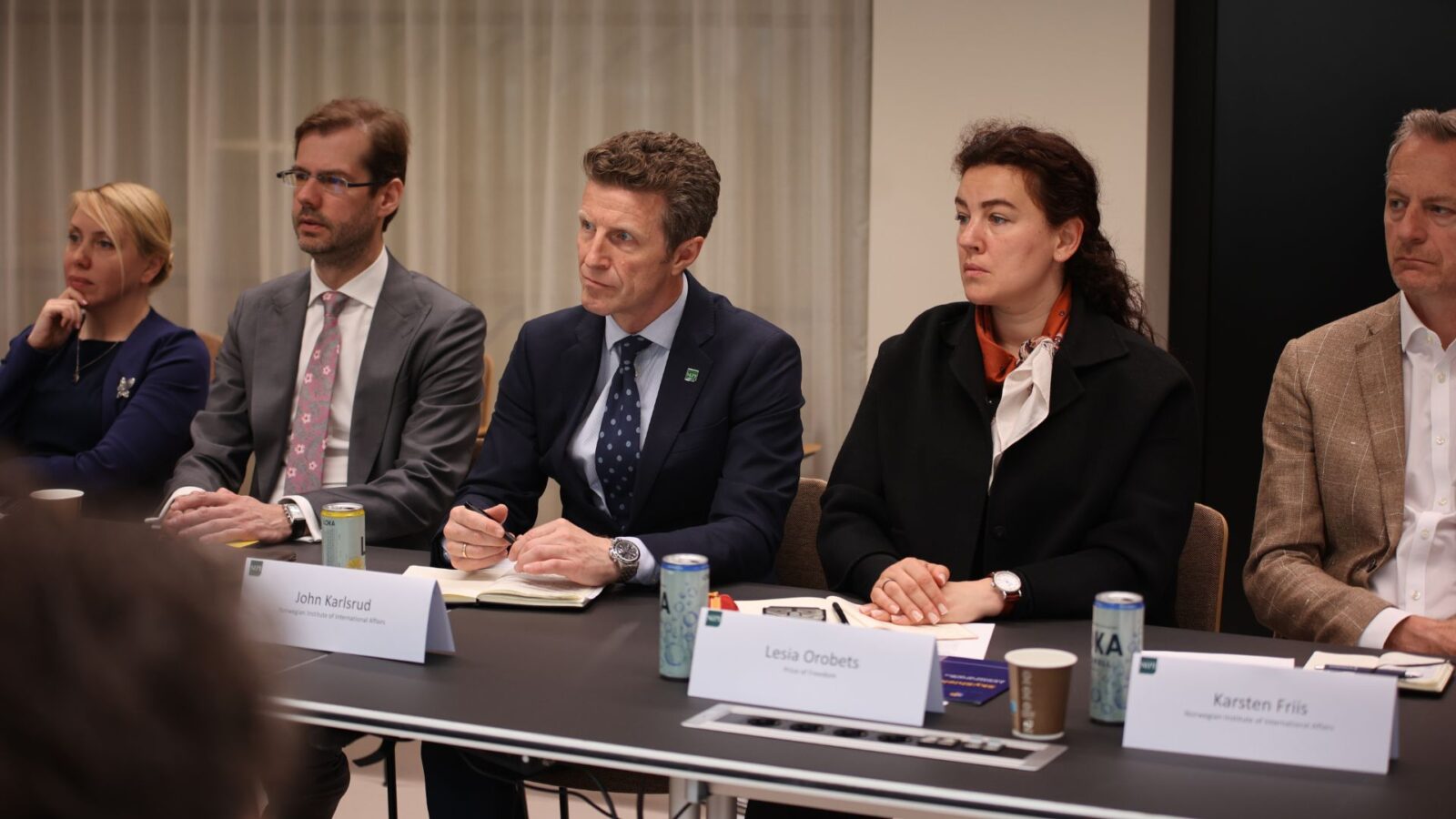
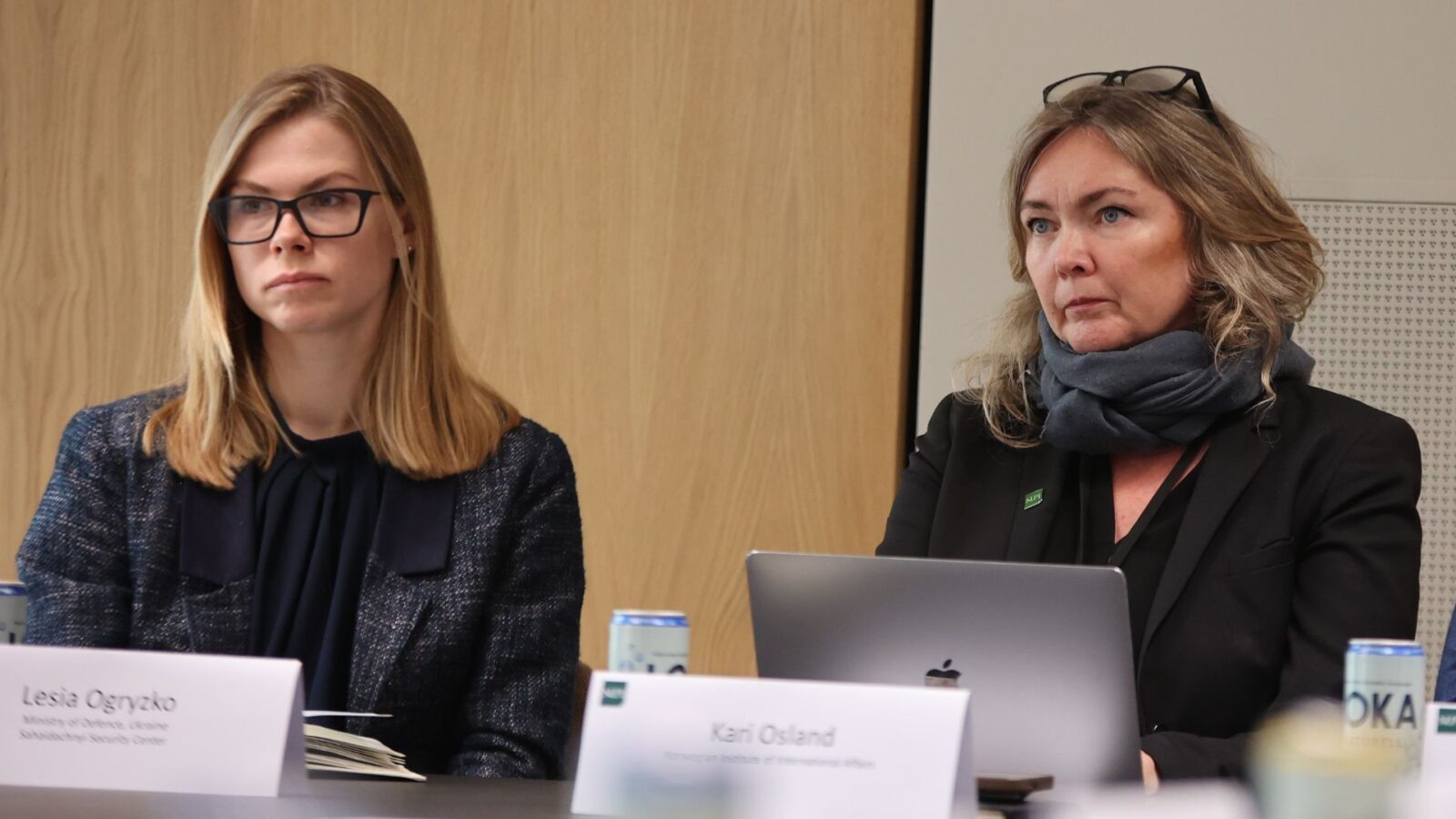
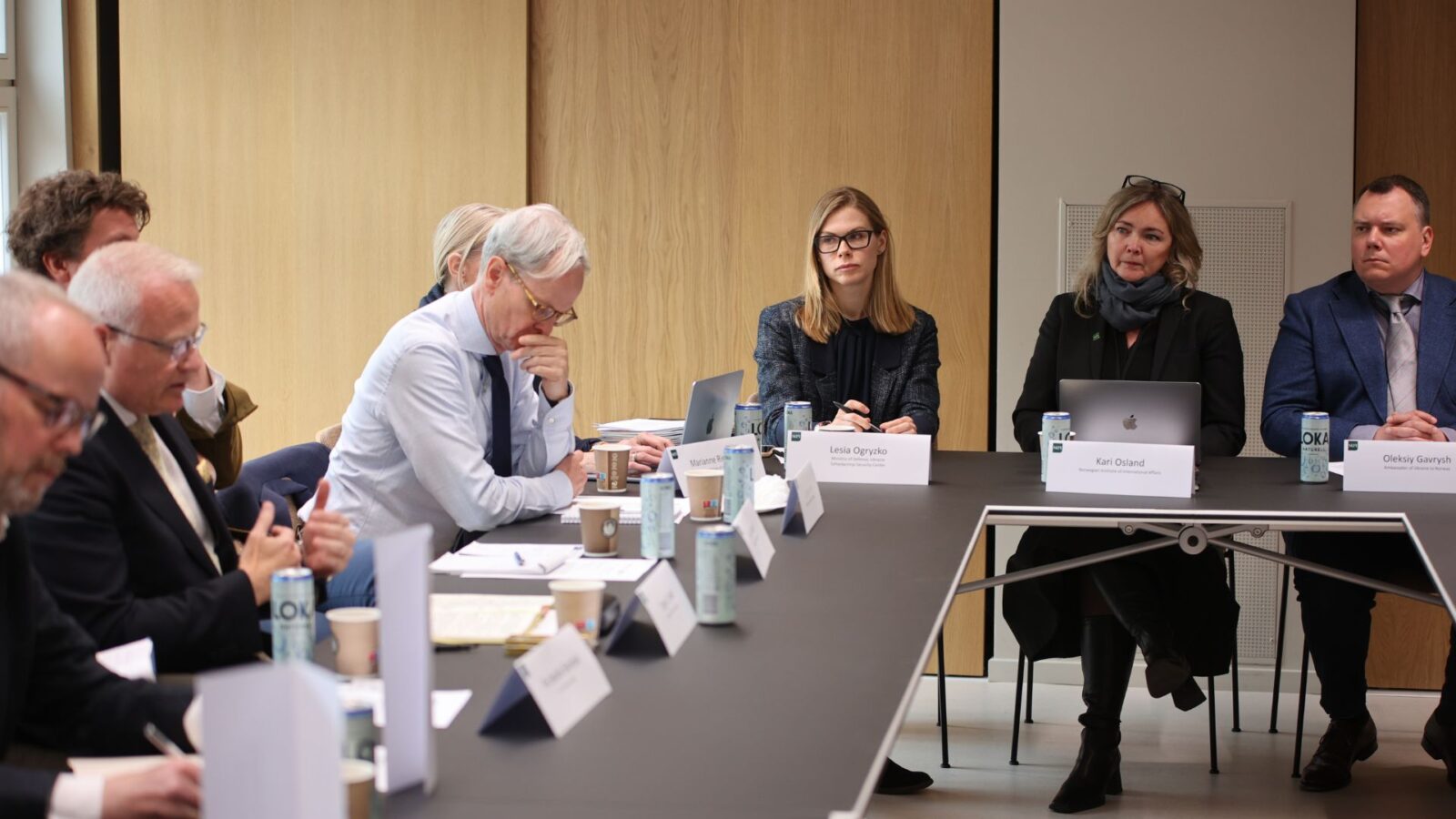
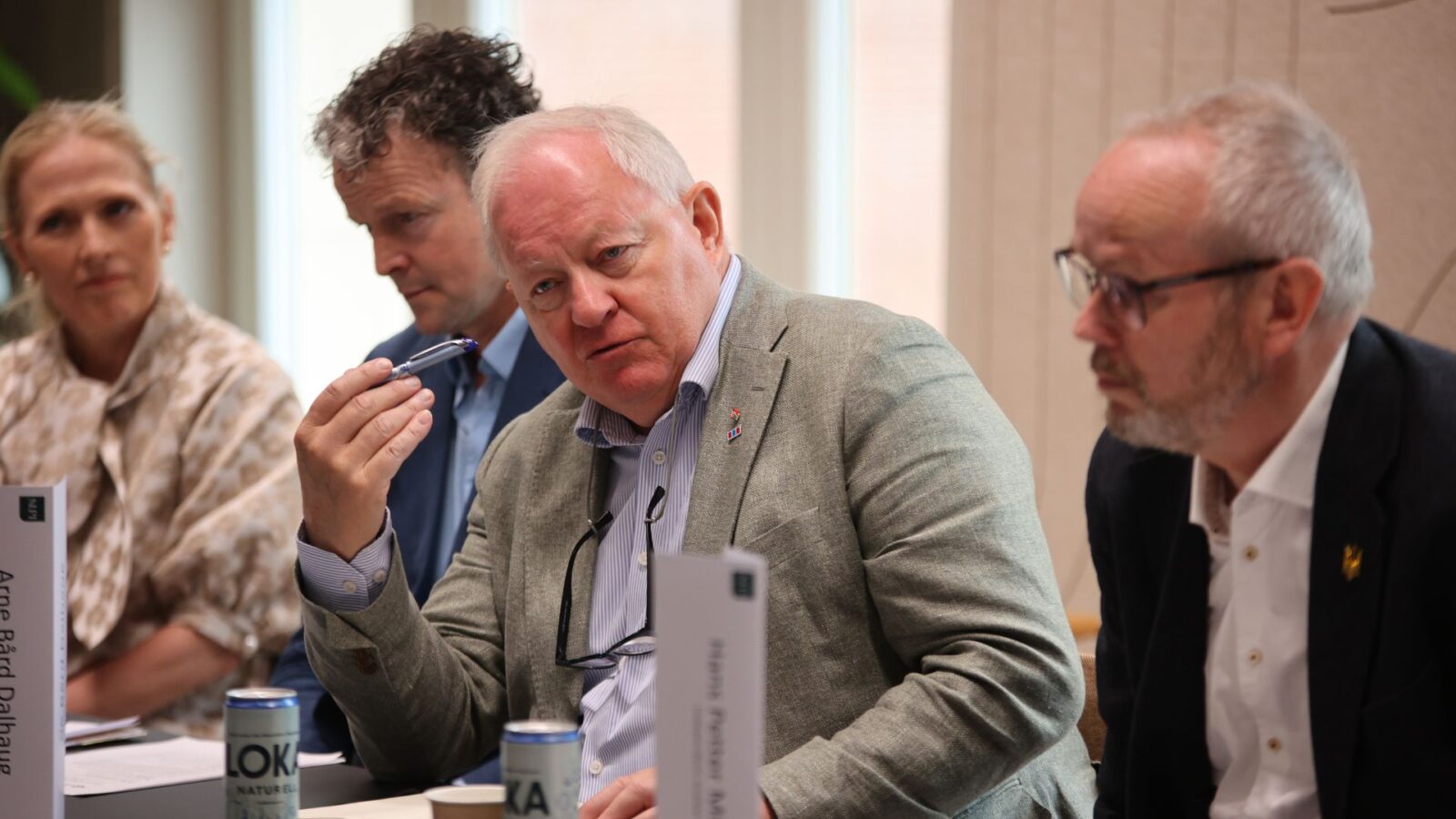
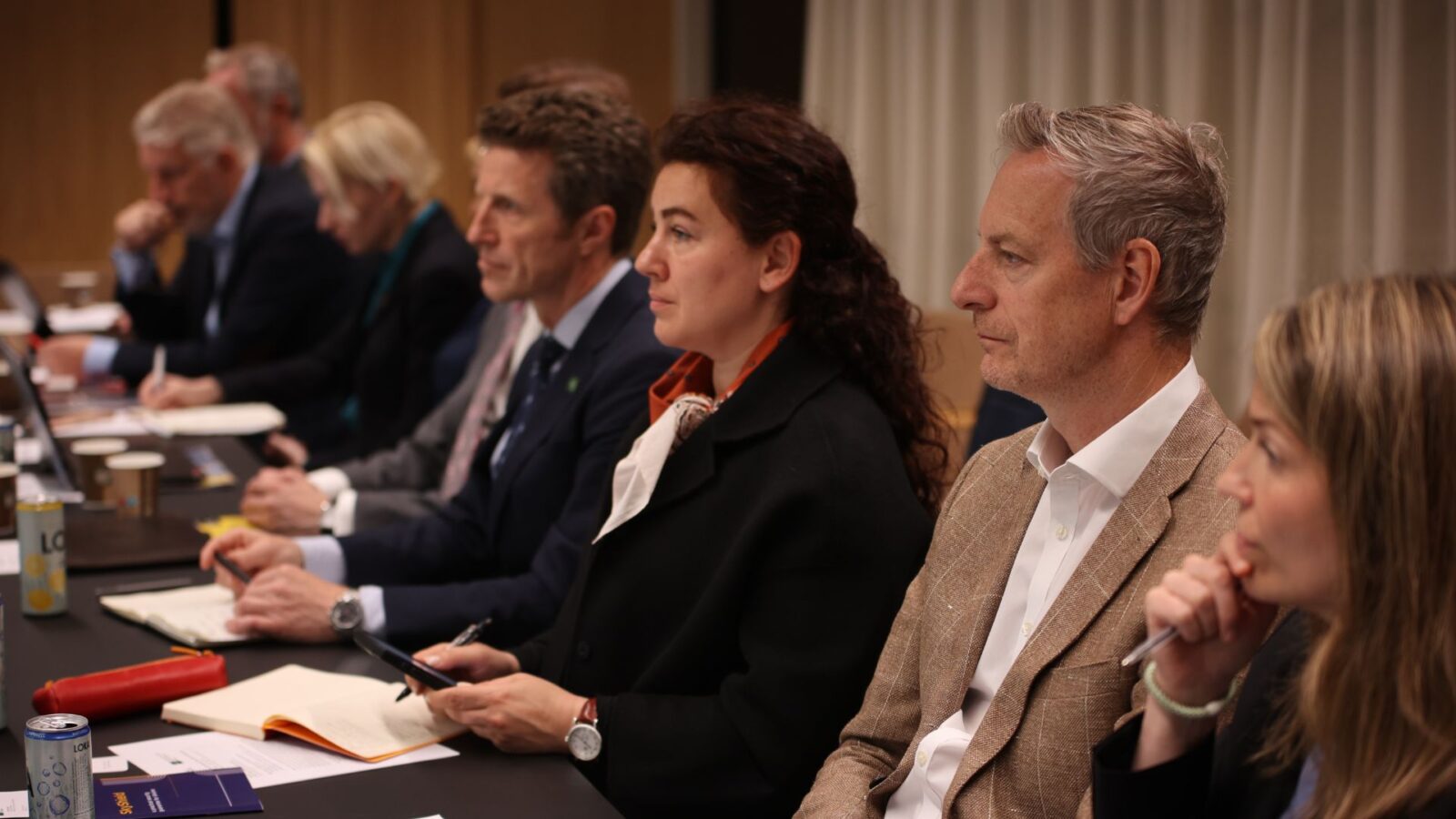
On June 8, Oslo became the starting point for the North–South Axis: Ukraine – NB8 project mission — a strategic dialogue between Ukraine and the Nordic countries on the future security architecture of the continent. The first working day opened with the roundtable “Ukraine in the Future Security Architecture of Europe” at the Norwegian Institute of International Affairs (NUPI), one of Scandinavia’s leading security think tanks.
Participants addressed a central question: how Europe is rebuilding its security architecture and Ukraine’s role as its co-architect. Discussion covered the balance between bilateral and minilateral cooperation alongside NATO and EU mechanisms; Nordic-Ukrainian coordination to ensure effective deterrence of Russia as a strategic threat in the post-war period; the foundations of long-term security guarantees; and the prospects for a sustainable political, military, and academic Ukraine–Norway partnership.
Ukrainian delegation:
▪️ Rostyslav Ohryzko, Deputy State Secretary of the Cabinet of Ministers of Ukraine. A career diplomat with extensive experience in intergovernmental coordination and executive-level foreign policy planning.
▪️ Lesia Ohryzko, Head of the Reform Support Office of the Ministry of Defence of Ukraine, Director of Sahaidachnyi Security Center, Board Member of RISE Ukraine.
▪️ Dr. Olena Davlikanова, Senior Analyst at Sahaidachnyi Security Center (Kyiv, Ukraine) and the Center for European Policy Analysis (Washington, D.C.). Expert in strategic foresight, domestic political processes in Ukraine and Russia, and security and defence issues including new forms of warfare. Co-author of the strategic foresight studies Scenarios: Ukraine 2032 and Scenarios: Russia 2032.
▪️ Yurii Bugai, Head of Analytics at the MoD Reform Support Office; Chair of the Supervisory Board of Transparency International Ukraine. Prior to joining the Armed Forces of Ukraine in 2022, he spent over 15 years working on public sector reforms.
▪️ Stanislav Boiko, Representative of the MoD Reform Support Office; specialises in defence analytics, including the use and development of battlefield technologies and innovative capabilities for the Armed Forces of Ukraine.
▪️ Yevhen Hlibovytsky, Founder and Director of the Frontier Institute; Ukrainian intellectual and strategist focusing on long-term state transformation, societal resilience, and governance. Member of the Supervisory Board of Ukraine’s Public Broadcasting and Chair of its Appointments and Remuneration Committee. Lecturer at Ukrainian Catholic University, former OSCE expert, and contributor to multiple national strategic initiatives.
▪️ Maksym Kostetskyi, lawyer, Head of the Ukrainian think tank Centre for Policy-Making and the international programmes of the Serhiy Prytula Charitable Foundation. Member of the Public Anti-Corruption Council at the Ministry of Defence of Ukraine.
▪️ Lesia Orobets, civic activist, former Member of Parliament and diplomat with experience in public policy, legislative reform, and international relations; Founder and Director of the NGO Price of Freedom, focused on air defence and critical infrastructure protection.
▪️ Mariia Kucherenko, Executive Director of the Strategic Intelligence Institute; researcher of Russian elites, co-founder and lecturer of the Russian Studies programme at the Department of International Relations, NaUKMA. Expert of the NSDC working group on Russia. Previously led the Russia desk at CBA Initiatives Centre. Specialises in Russian elites, the Russia–Ukraine negotiation process, and Russian intelligence activities.
Key discussion points
Olena Davlikanova, Senior Analyst at Sahaidachnyi Security Center, set the strategic context: by degrading Russia’s armed forces, Ukraine has bought Europe critical time to prepare — but that time is steadily running out.
Yurii Bugai called for a rethink of how security systems are designed. In his words: “We still think in terms of ‘good model vs. bad model’. Norway, with its high institutional trust and low corruption, is seen as the benchmark; Ukraine, with the opposite indicators, as the problem. But the war has shattered this dichotomy. The very fact that Ukraine could not rely solely on state institutions forced the system to become horizontal and decentralised — and that proved to be a source of resilience. The first task in designing a new architecture is therefore not to copy the ‘right’ model, but to deliberately conceptualise what we take from which model and why.”
Lesia Orobets, Director of the NGO Price of Freedom, spoke on the defence of Ukrainian skies: “We are living in a unique historical moment — the decisions taken today will define Europe’s security for decades to come. Protecting Ukrainian skies has long since ceased to be a purely Ukrainian matter; it is a question of European security. That is why we need shared solutions, shared capabilities, and a shared vision of the future.”
Ukraine – NB8: A Natural Partnership
The partnership between Ukraine and the Nordic-Baltic countries is a natural one: all share a common understanding of Russia as a long-term, systemic threat to European security. Ukraine is already not merely a recipient of support — it is a security provider, containing and degrading Russian military potential that would otherwise have been directed, at minimum, against the Baltic region. Ukraine should therefore be seen as a natural extension of Europe’s northeastern flank, not as an external partner outside the perimeter of European security.
Ukraine and the NB8 countries can significantly strengthen one another by combining Ukraine’s battlefield expertise with the technological potential of the North and Baltics. Over four years of war, Ukraine has become a world leader in drone systems, electronic warfare, critical infrastructure protection, and societal resilience. The NB8 countries, in turn, bring powerful defence industries, investment capacity, and well-developed mechanisms for regional cooperation. Together, this creates a unique synergy for building Europe’s new defence capabilities.
Deepening Ukraine’s integration into formats such as the Joint Expeditionary Force (JEF), expanding joint red teaming, intelligence sharing, and defence-industrial cooperation are not optional steps — they are a strategic necessity. In a world where the future of traditional security institutions increasingly depends on the political will of individual states, coalitions of countries with a shared threat perception are best positioned to deliver fast and effective solutions for Europe’s protection.
The NUPI roundtable was held as part of the North–South Axis: Ukraine – NB8 project, implemented by Sahaidachnyi Security Center and the Ukrainian Institute with the support of the International Renaissance Foundation. The event set the strategic tone for the entire project mission and confirmed that dialogue between Ukraine and its NB8 partners is not only possible — it is strategically indispensable.