
Europe is sounding the alarm over Russian aggression louder than at any point since 2022 — yet still handing Russian soldiers the visas to walk right in.
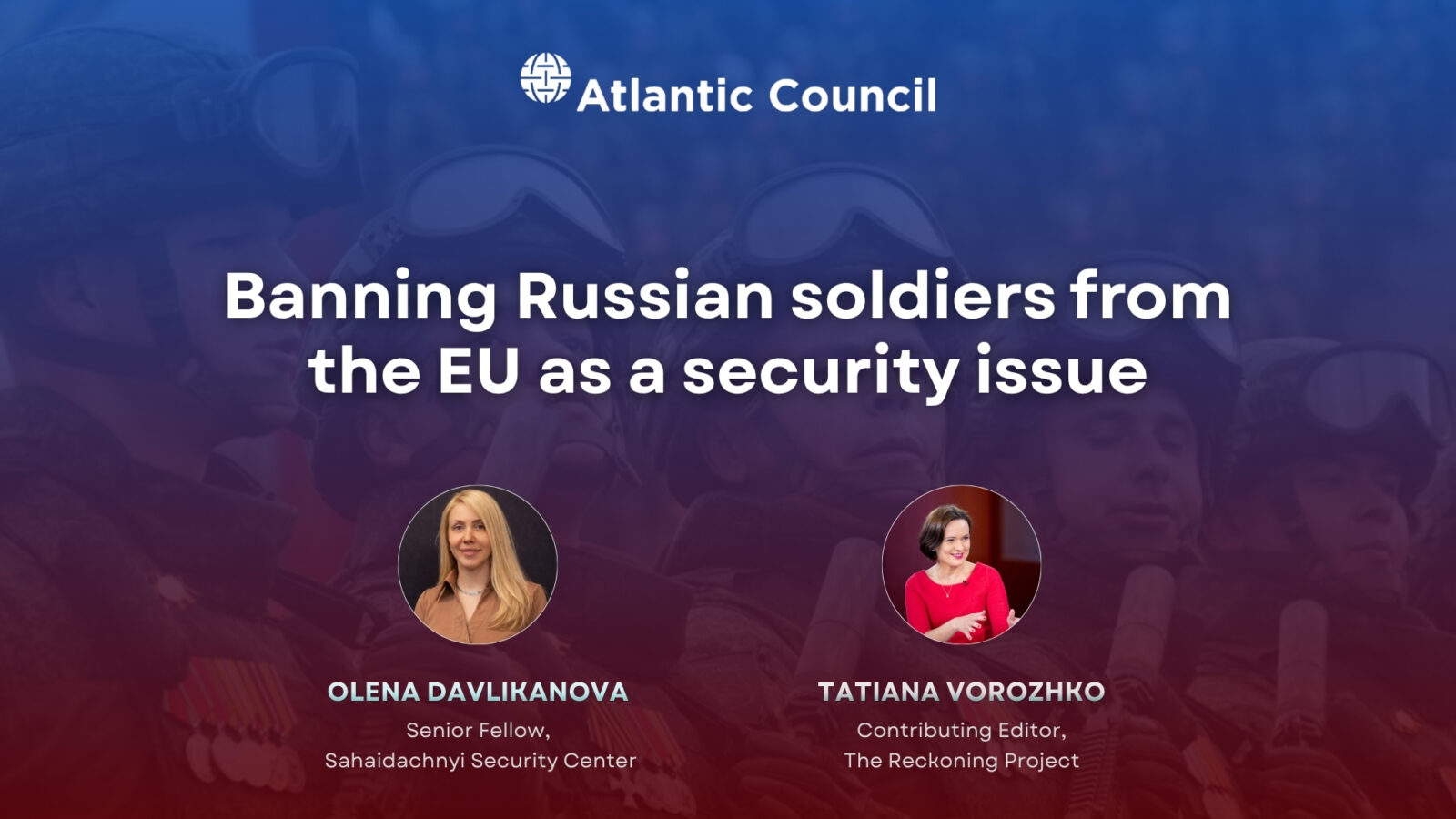
That inconsistency is what a new piece for the Atlantic Council sets out to challenge, written by Sahaidachnyi Security Center Senior Fellow Olena Davlikanova together with Tatiana Vorozhko of The Reckoning Project.
The trigger for the debate is a proposal from European Commission President Ursula von der Leyen, unveiled on June 9 as part of the bloc’s twenty-first sanctions package: a ban on entry for anyone who has served in the Russian Armed Forces since the war began. Adoption requires unanimity and is far from guaranteed, especially given the objections from France and Italy that receive the majority of Russian visa applications.
Calls to restrict Russian visas have surfaced repeatedly since February 2022, but action has stayed at the national level — leaving loopholes that lets Russian passport holders move through the EU on Schengen visas issued elsewhere.
Opponents call broader limits a form of collective punishment at odds with European values. Supporters see the narrower military ban as common sense, reflecting a growing recognition that Russia’s confrontation with the West reaches well beyond Ukraine.
Recent reporting has underlined the reach of the Kremlin’s hybrid war, with infrastructure sabotage, cyberattacks, and disinformation designed to destabilise European societies while staying below the threshold that might trigger a military response.
This is the terrain the Sahaidachnyi Security Center tracks directly. Cited in the article, our Everywhere War Tracker documents the sabotage, cyberattacks, and hybrid operations targeting European nations since 2022, all drawn from verified open-source intelligence.
Though it would be technically difficult to enforce and would not stop Moscow’s hybrid campaign on its own, failing to act would widen the space for those hostilities and signal that Europe is divided and short on the will to counter the Kremlin. If Europe believes Russia is a long-term threat, its visa policy has to reflect that.
Read the full article by Olena Davlikanova and Tatiana Vorozhko in the Atlantic Council for more arguments and insights!