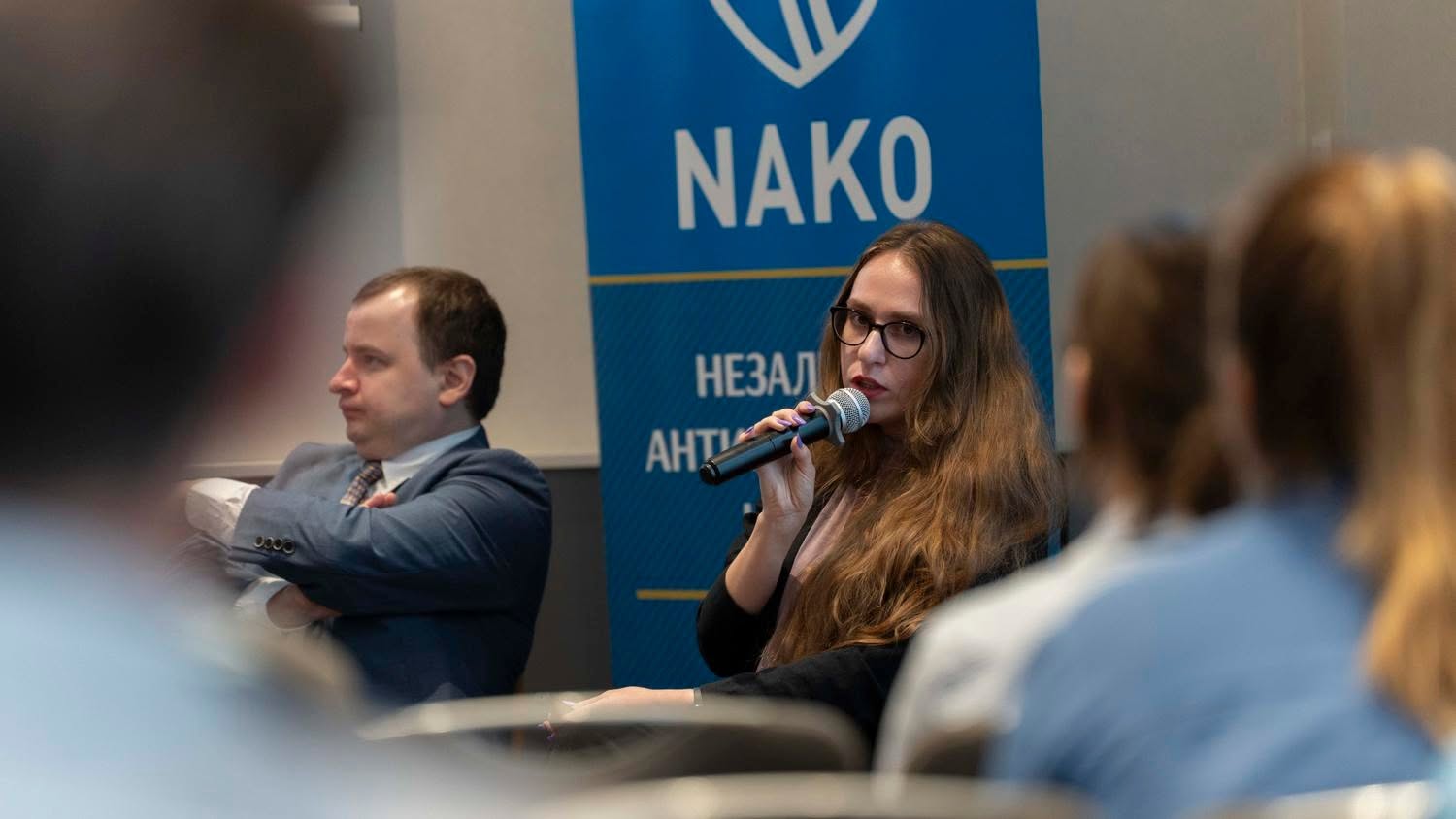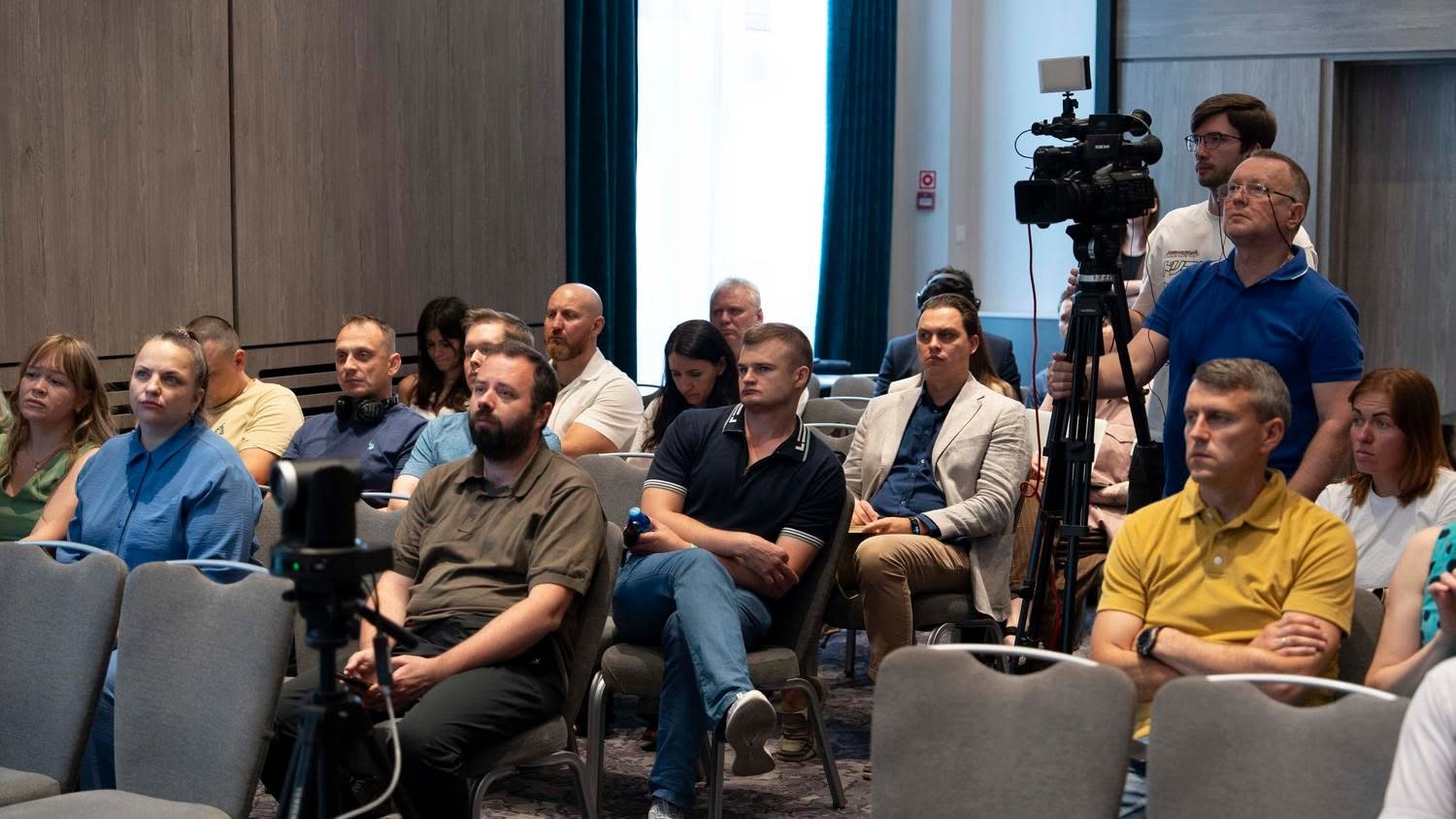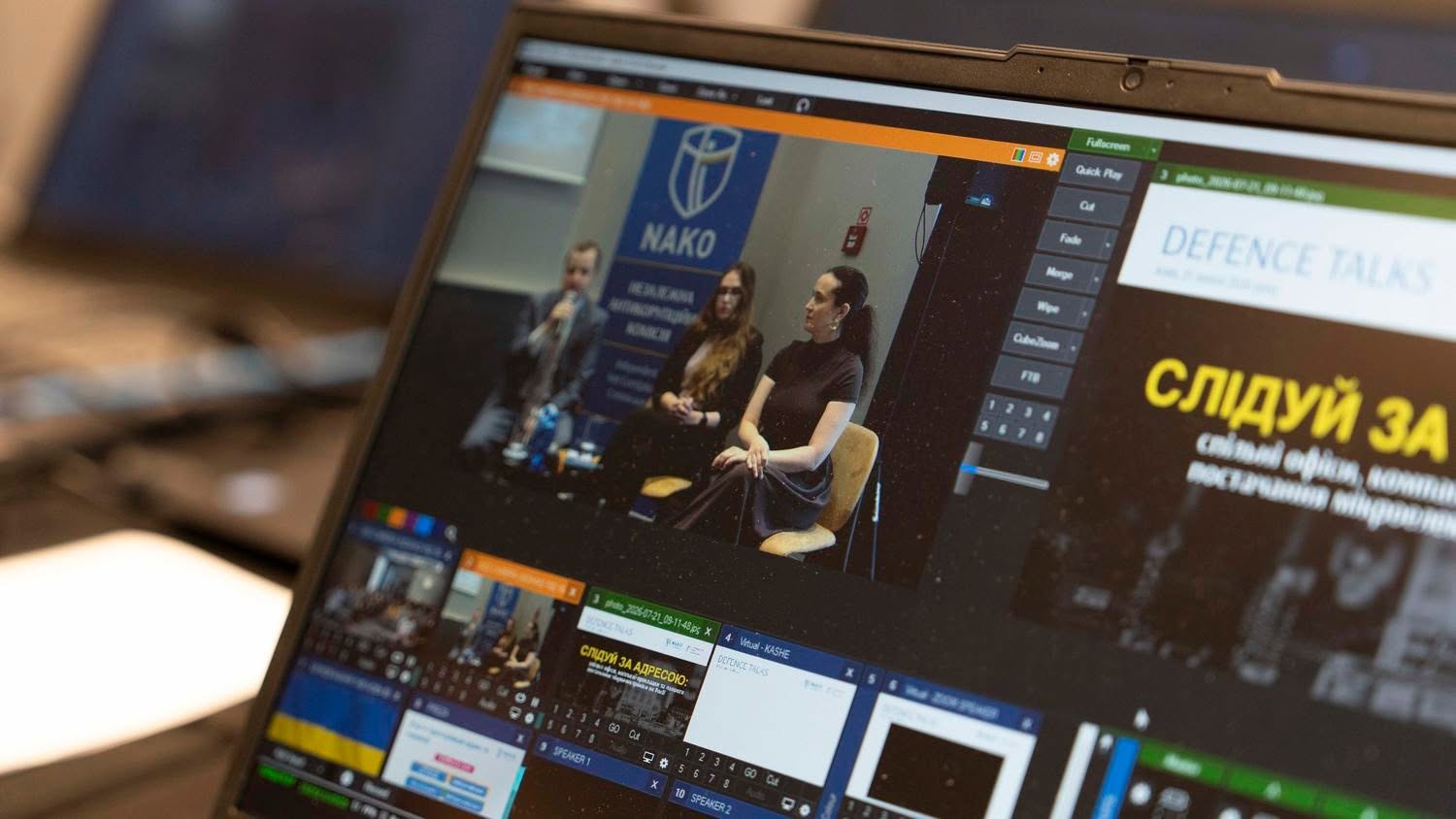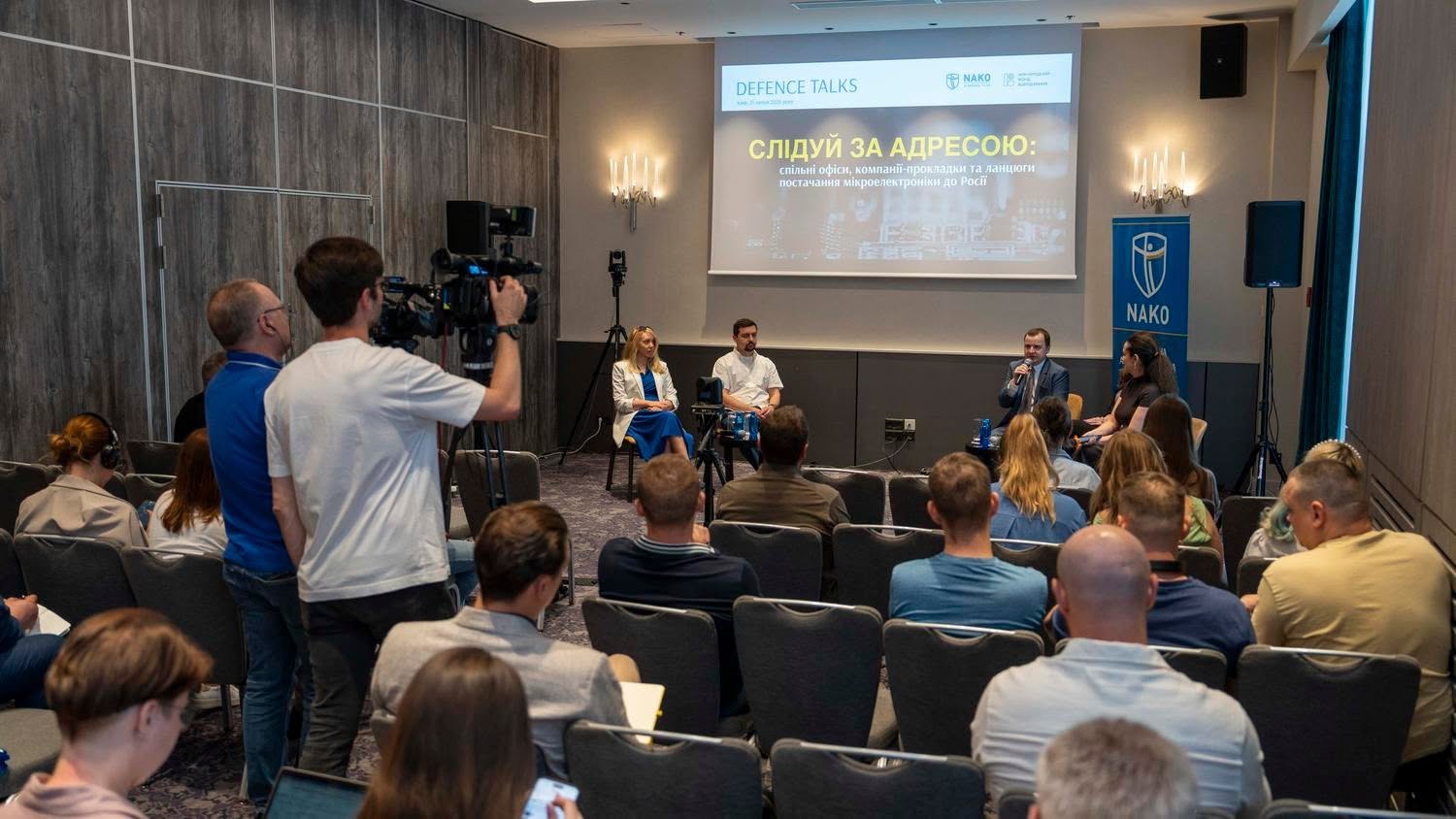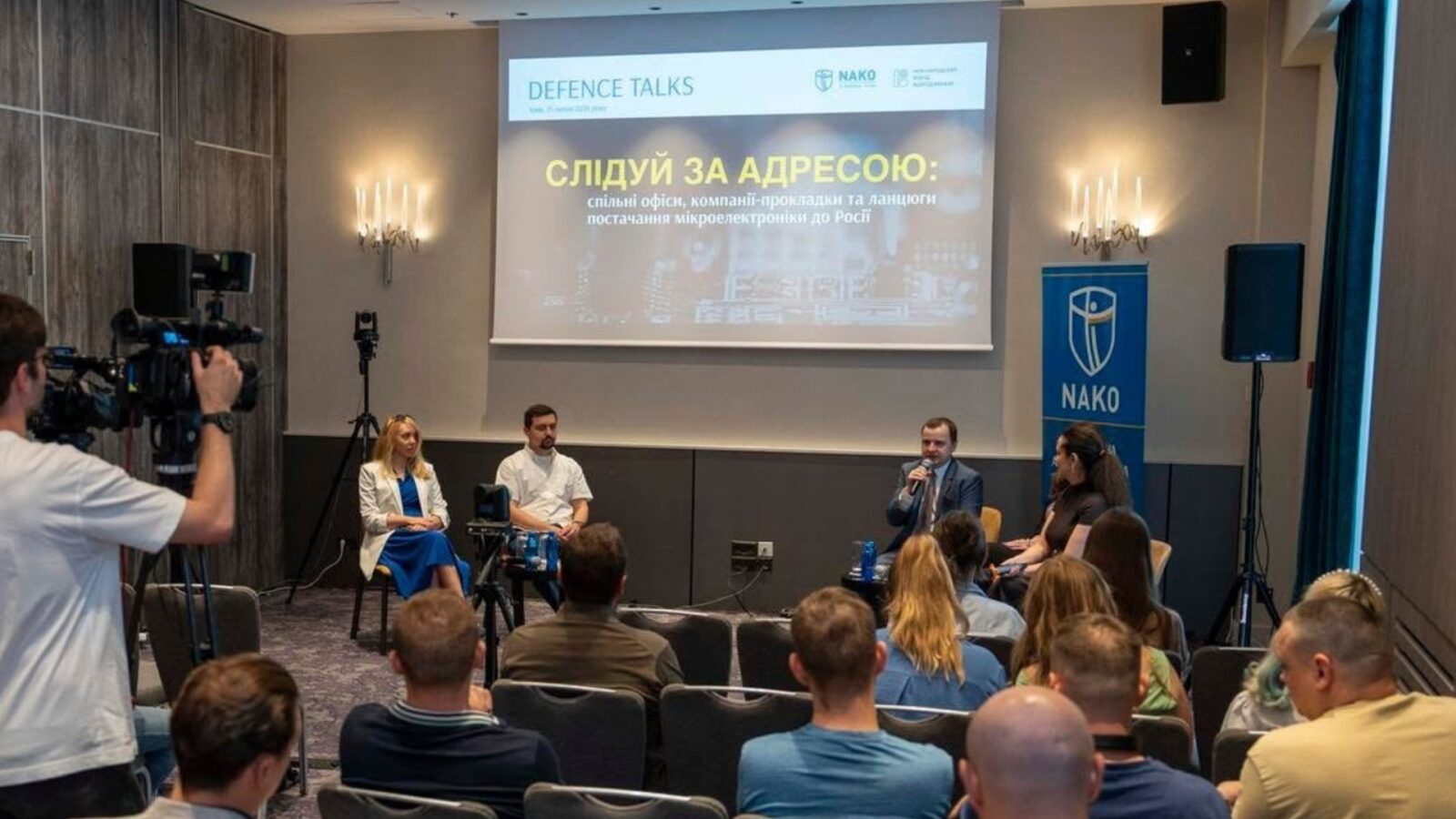
On 21 July in Kyiv, the Independent Anti-Corruption Commission (NAKO) presented new research on how Western microelectronics still reaches Russia’s weapons production despite sanctions. The study, “Follow the Address,” worked through 180,000 customs declarations to identify close to 1,800 commercial addresses tied to suppliers moving foreign microelectronics and electric motors to Russia.
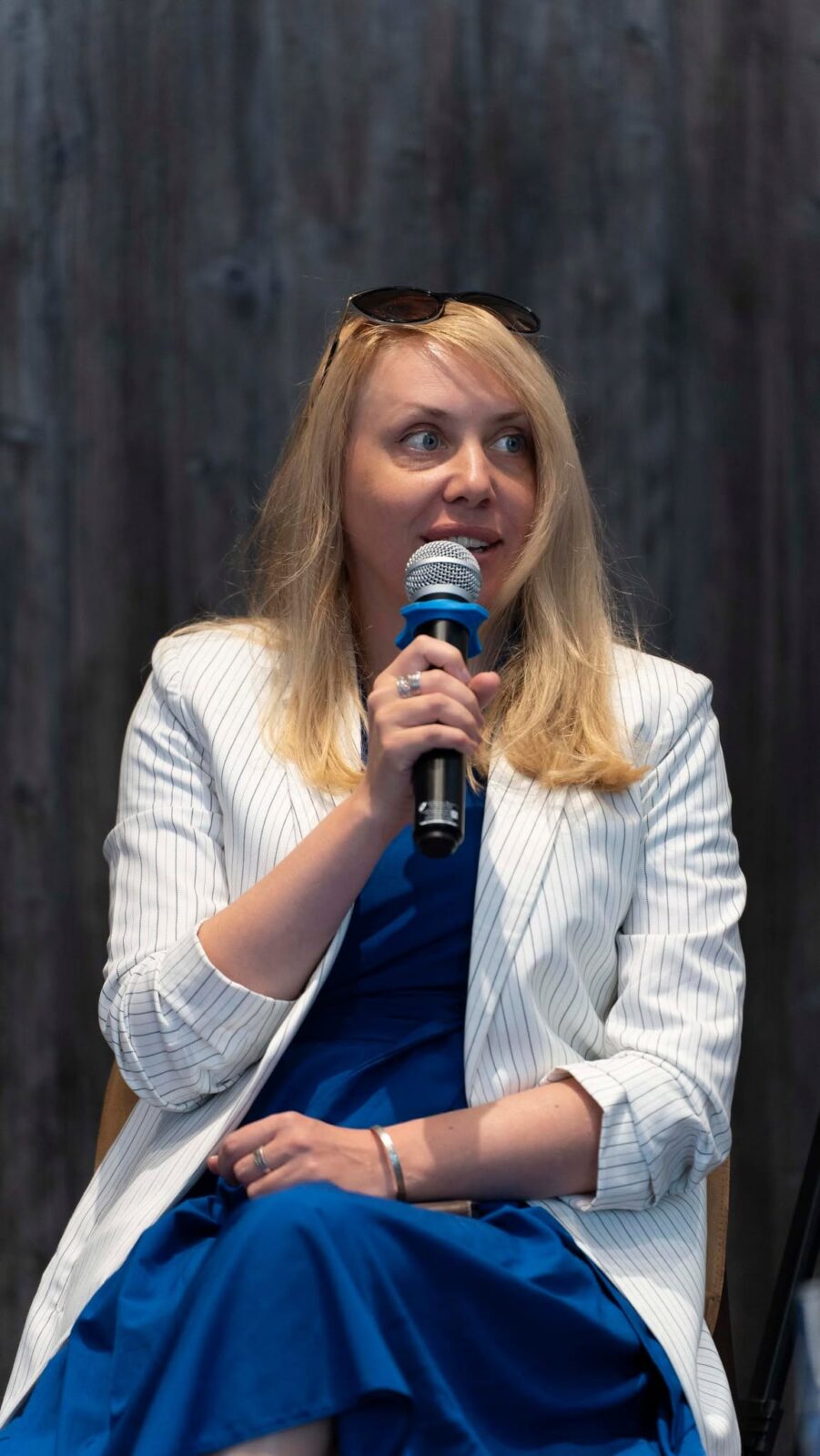
Olena Davlikanova, Senior Fellow at the Sahaidachnyi Security Center, spoke on the panel Defence Talks and set those supply chains in a wider context. She argued that treating Russia’s aggression against Ukraine as a contained, regional conflict misreads the situation. The war is one piece of a much larger global challenge, and it cannot be understood in isolation from the governments helping Russia fight it.
Moscow’s ability to keep going, she noted, rests more and more on its partners. Russia, China, Iran, and North Korea have been coordinating ever more closely, and that cooperation is a large part of what allows the Kremlin to sustain the war.
The research NAKO presented tracks with this reading. The heaviest concentrations of sanctioned-goods shipments led back to addresses in Hong Kong, China, Serbia, Türkiye, and Slovakia. These networks reach well beyond the front line, which is part of why the response to them has to be international.
The discussion also brought in experts from MERICS, United24 Media, and Ukraine’s Ministry of Foreign Affairs, who looked at China’s growing role in Russia’s war effort and the gaps in the current sanctions response. The event was held with the support of the International Renaissance Foundation.