Ukraine’s experience on the battlefield is changing how modern warfare is understood. The rapid development of drones, autonomous systems, and AI-powered technologies is challenging established approaches to military planning and raising important questions about the future of European defence.
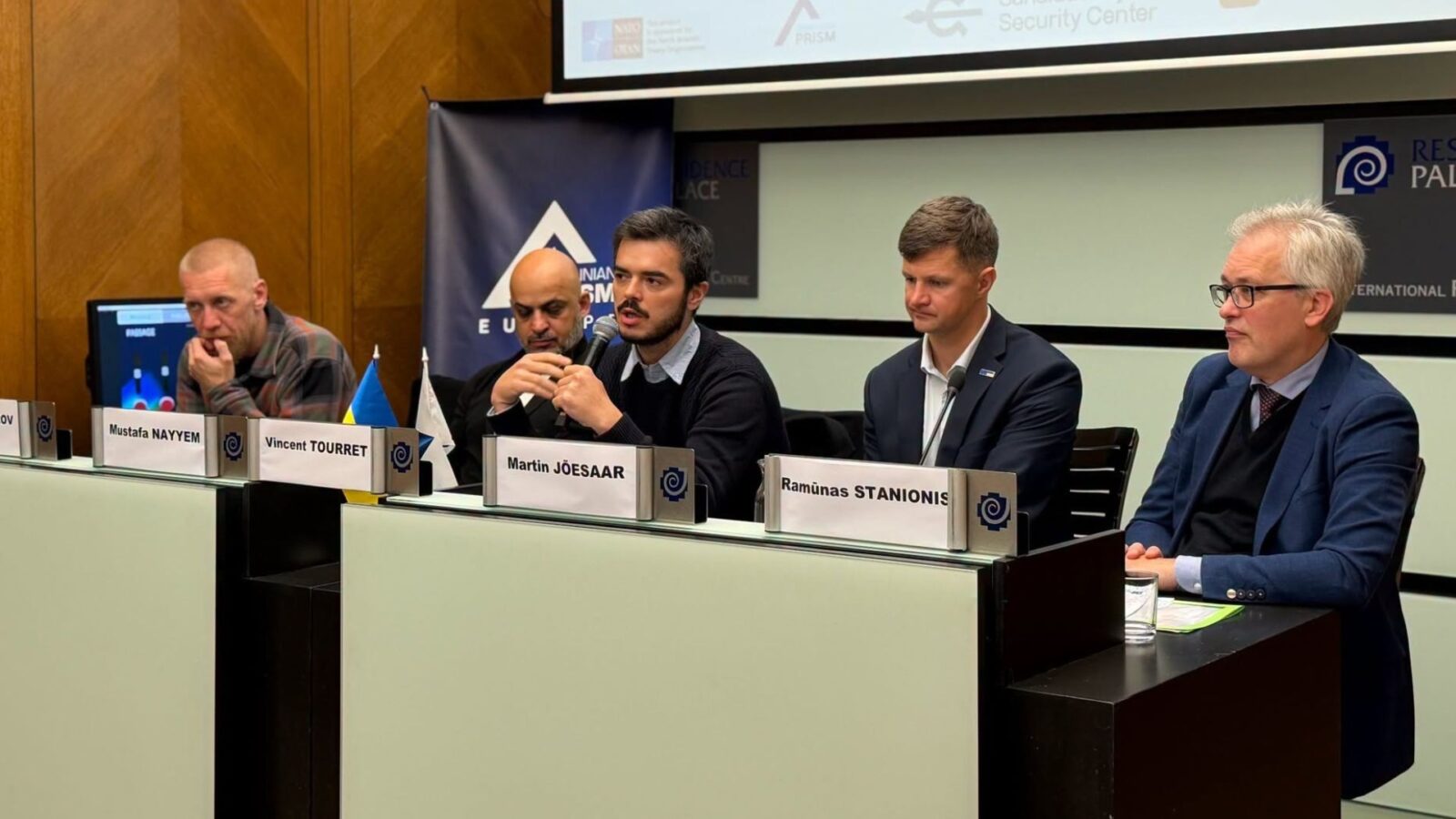
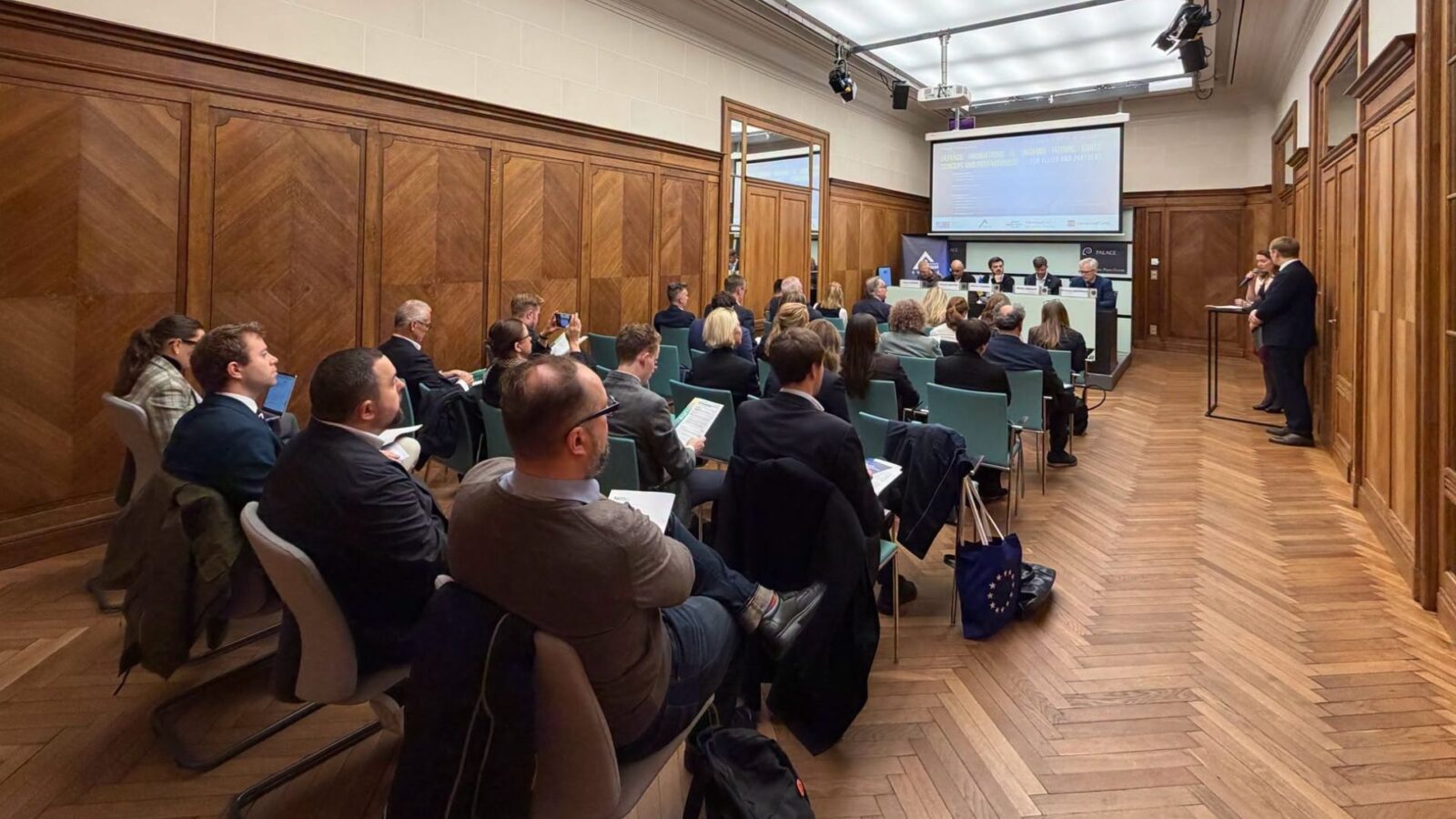
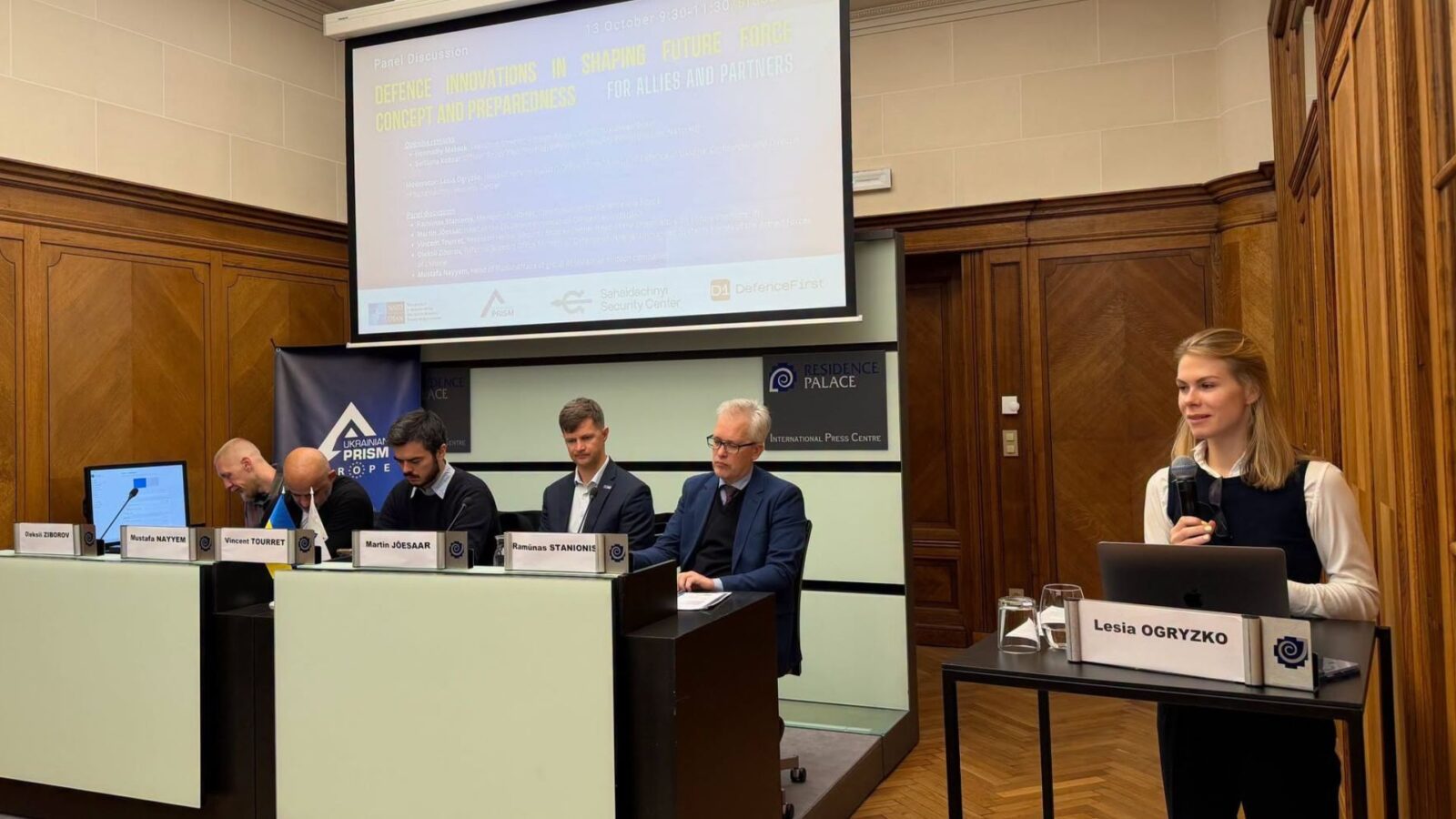
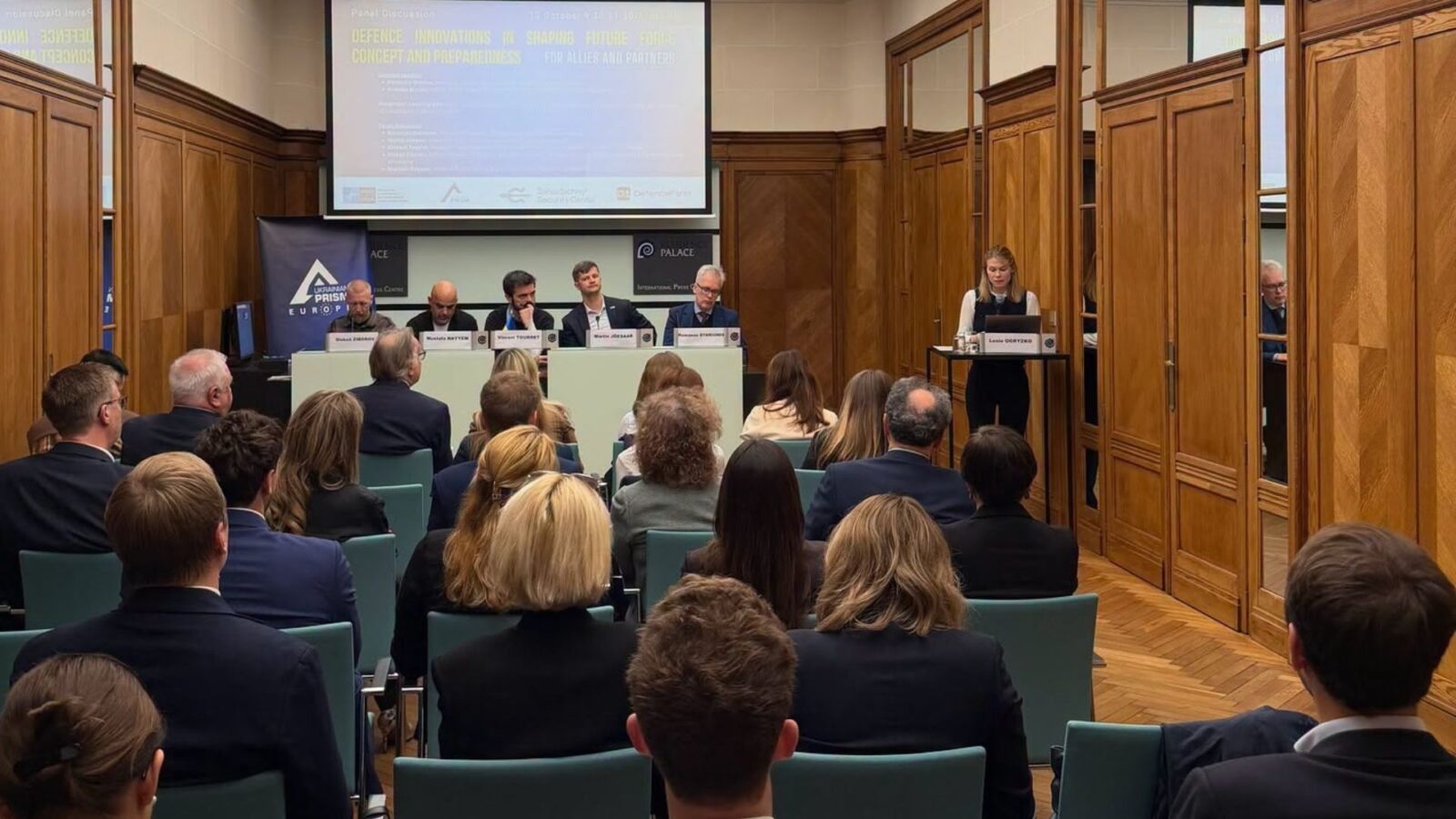
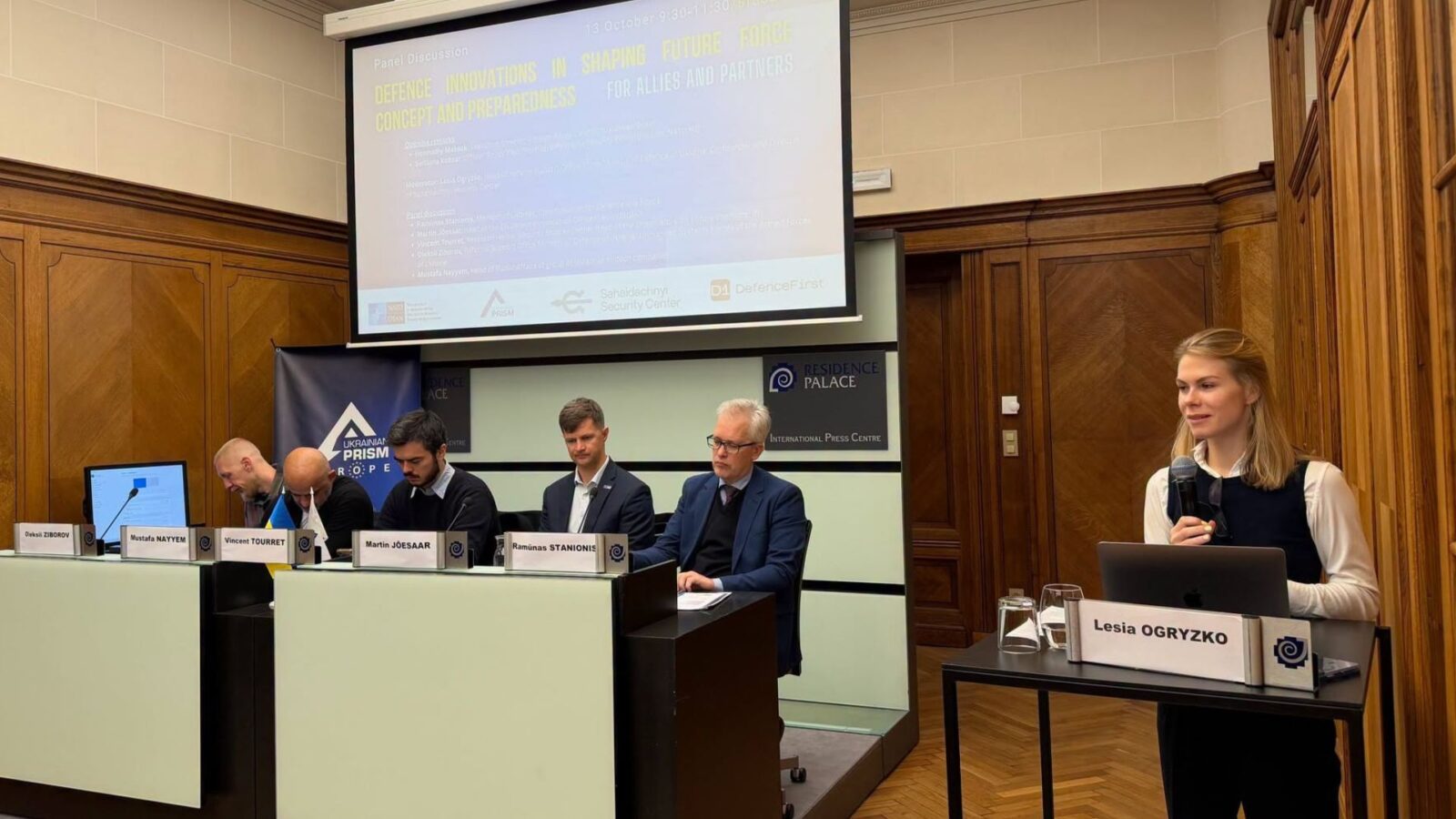
These developments were at the centre of a public discussion in Brussels, “Defence Innovation in Shaping Future Force Concepts and Allied and Partner Readiness,” moderated by Lesia Ogryzko, Director of Sahaidachnyi Security Center.
The event was organised by the Ukrainian Prism Foreign Policy Council in partnership with Sahaidachnyi Security Center and the Defence First Coalition, as part of a two-day international workshop supported by NATO.
In her remarks, Lesia Ogryzko addressed the significance of Ukraine’s wartime innovations for the future of allied defence. The discussion she moderated explored how lessons from Ukraine’s experience with unmanned and autonomous systems could influence the development of military capabilities in NATO and EU countries over the next decade.
A central theme was the growing gap between the speed of technological change on the battlefield and the ability of defence institutions to respond.
- Oleksii Ziborov, representing the Ministry of Defence of Ukraine’s Reform Support Office and the Armed Forces’ Unmanned Systems Forces, explained how Ukraine’s innovation cycle depends on constant communication between developers and military personnel. He identified bureaucracy as one of the main obstacles to bringing new solutions into operational use.
- Mustafa Nayyem, representing a group of Ukrainian defence technology companies, drew attention to the scale of Ukraine’s domestic production. According to Nayyem, Ukrainian manufacturers already meet 55% of the country’s defence needs and are expected to produce more than seven million drones in 2026. He emphasised that Ukrainian defence companies have grown into serious competitors on the international market, with further expansion primarily constrained by available funding.
- The European perspective was represented by Ramūnas Stanionis, Member of the Cabinet of the European Commissioner for Defence and Space, who discussed the integration of Ukrainian defence technologies into EU capability development programmes. He highlighted the BraveTech EU initiative and the participation of Ukraine’s Brave1 platform as an equal partner in European defence innovation.
- Martin Jõesaar, Head of the EU Defence Innovation Office in Kyiv, reflected on the experience of working with Ukraine’s defence technology sector. He suggested that one of Europe’s greatest challenges lies in institutional thinking, which must evolve alongside the technologies and approaches emerging from Ukraine’s battlefield experience.
Under Lesia Ogryzko’s moderation, the exchange brought together the perspectives of Ukrainian military practitioners, defence technology companies, and European institutions. The discussion highlighted the growing importance of incorporating Ukraine’s practical experience into future force development and creating more effective mechanisms for cooperation between Ukraine and its partners.
The panel opened a two-day workshop bringing together Ukrainian, European, and NATO experts to explore longer-term solutions for strengthening Europe’s collective defence capabilities.