90 participants and 20+ initiatives: the Defence First Coalition presents its defence reform priorities for 2027–2028
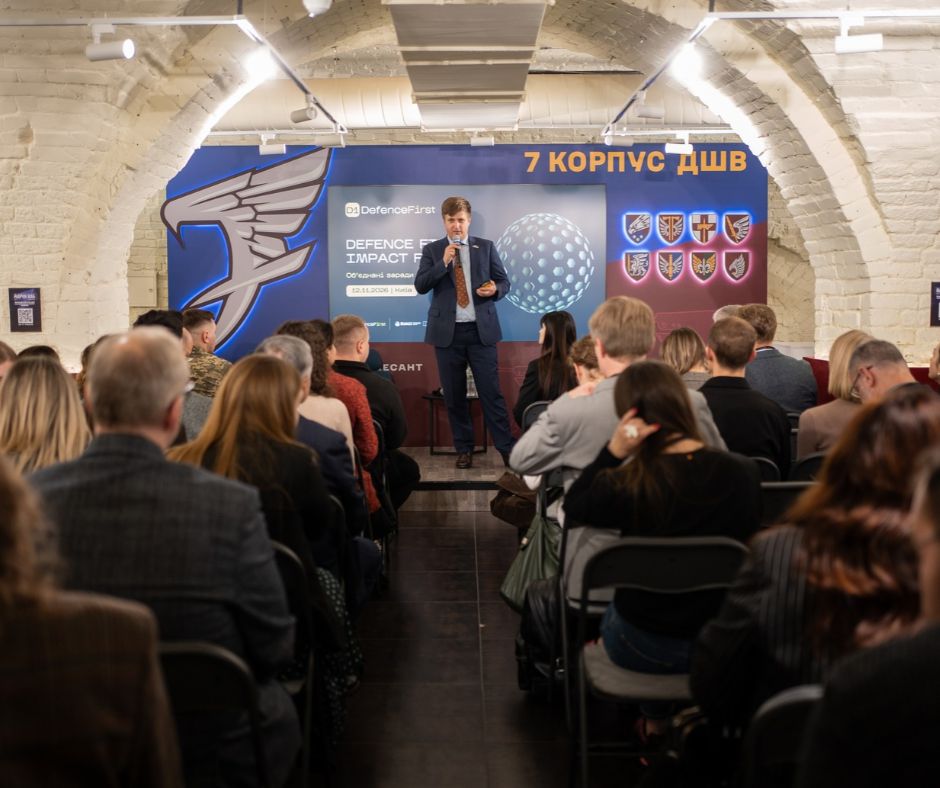
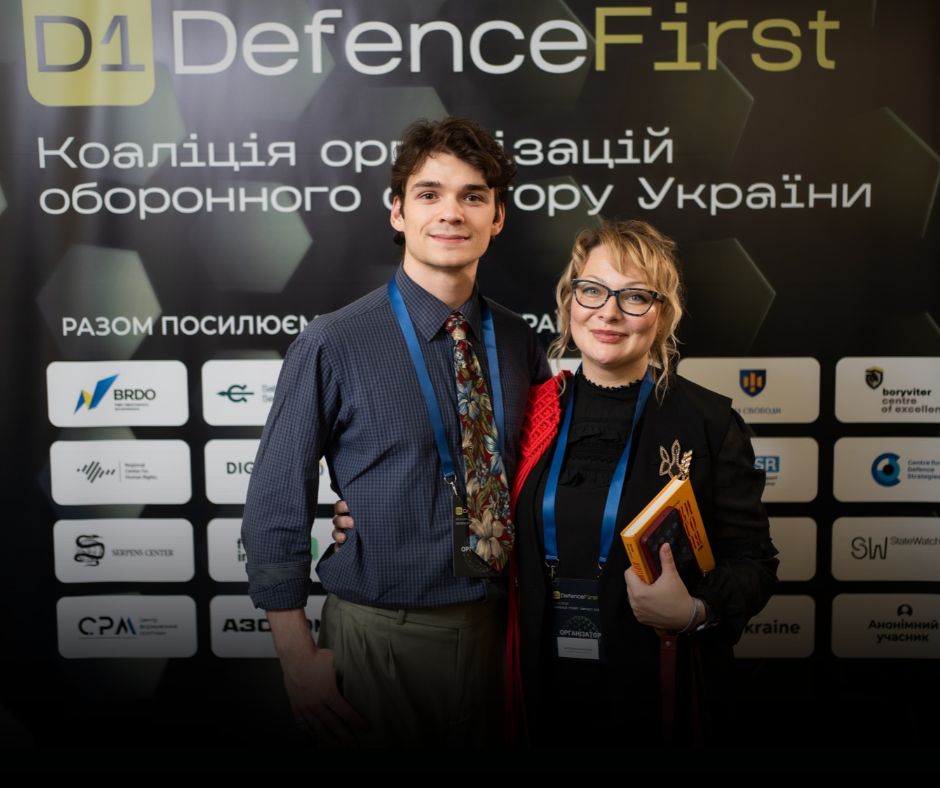
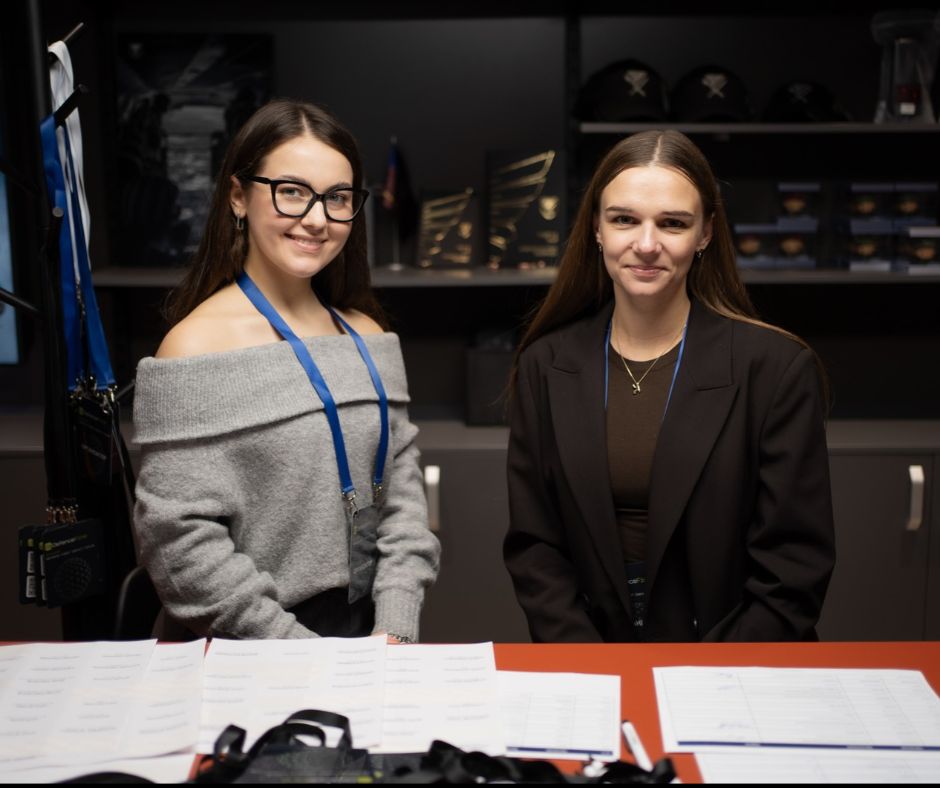
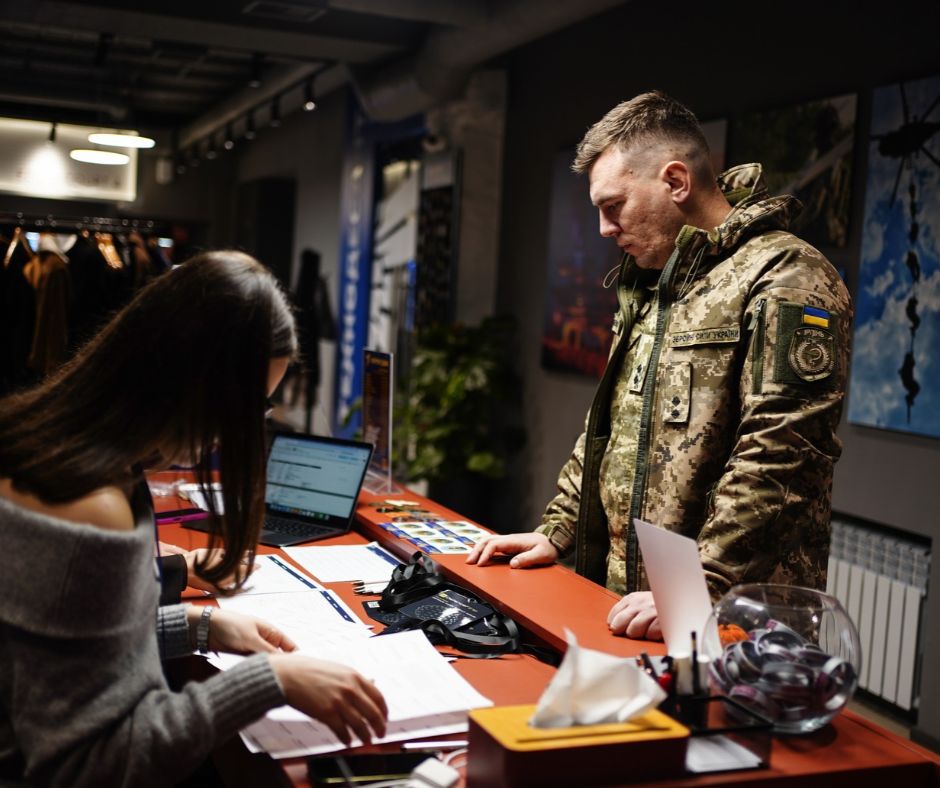
On 12 November, Kyiv hosted the Defence First Impact Forum. It brought together more than 90 representatives of civil society, state institutions, the military and international partners. Participants presented the results of their cooperation in digitalisation, defence procurement and innovation, and discussed reform priorities for 2027–2028.
The event was co-organised by members of the Defence First Coalition, the Sahaidachnyi Security Center team and BRDO.
The key message of the forum: reforms deliver results when the state, civil society and international partners act as one team.
The opening session featured Artem Martynenko, Deputy Commander-in-Chief of the Armed Forces of Ukraine; Zoriana Stetsiuk, State Secretary of the Ministry of Defence of Ukraine; Richard Pearce, Capability Planning Adviser, UK Special Defence Adviser’s Team; and Iryna Shyba, Deputy Head of the EU Anti-Corruption Initiative (EUACI). The session was moderated by Oleksii Dorohan, Executive Director of BRDO.
“Today, the military faces challenges that few in the world have ever encountered, and there are no ready-made solutions for them. In such conditions, no one can act alone. Cooperation between the military, civil society and international partners gives us the flexibility and speed to turn ideas into real solutions for the Defence Forces,” said Artem Martynenko, Deputy Commander-in-Chief of the Armed Forces of Ukraine.
“The results of decisions made at the highest level are needed here and now, directly on the front line and on the battlefield. That is why our aim is to make processes within the Ministry of Defence less bureaucratic, simpler, faster and more automated. The expertise of civil society and the support of international partners are crucial to this work,” said Zoriana Stetsiuk, State Secretary of the Ministry of Defence of Ukraine.
Defence reform priorities for 2027–2028
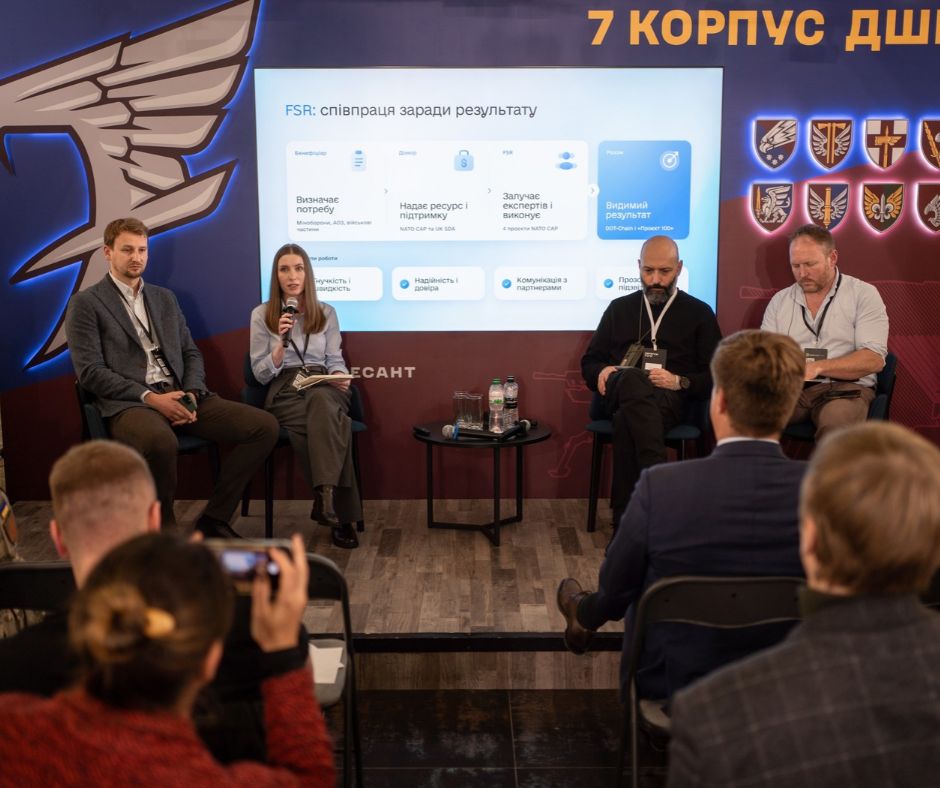
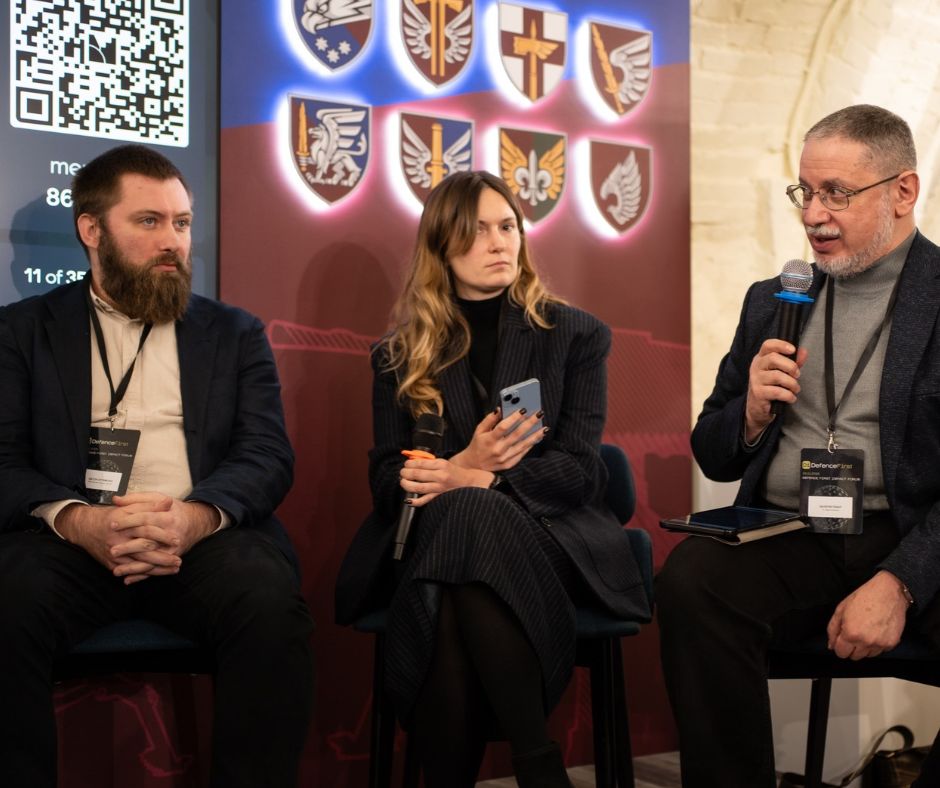
During a panel discussion moderated by Valerii Pekar, representatives of the Ministry of Defence, the Ministry of Veterans Affairs, EUACI, ISAR Ednannia and the Serhiy Prytula Charity Foundation, a Coalition member, discussed the needs of government institutions, priority areas for reform and opportunities for civil society and international partners to support their implementation.
“A state’s resilience and defence capabilities cannot be sustained without a whole-of-society approach, which involves not only government institutions and the military, but also civil society, the private sector and the expert community. A strong civil society is not a sign of state weakness, but an essential component of its capacity, resilience and security,” said Iryna Shyba, Deputy Head of the EU Anti-Corruption Initiative.
From digital services to defence innovation: results of joint efforts
Three thematic sessions demonstrated how joint initiatives have been put into practice:
Defence digitalisation. Representatives of BRDO and the Ministry of Defence discussed how the Army+ and Reserve+ applications were developed to address the needs of service personnel and people liable for military service, highlighting the role of cooperation between government institutions and the expert community in developing digital public services.
Defence procurement. The Foundation for Support of Reforms in Ukraine, together with government institutions and international partners, presented the cases of Project 100 and DOT-Chain. The discussion focused on how independent analysis, public oversight and cooperation with the government contribute to greater efficiency and accountability in defence procurement.
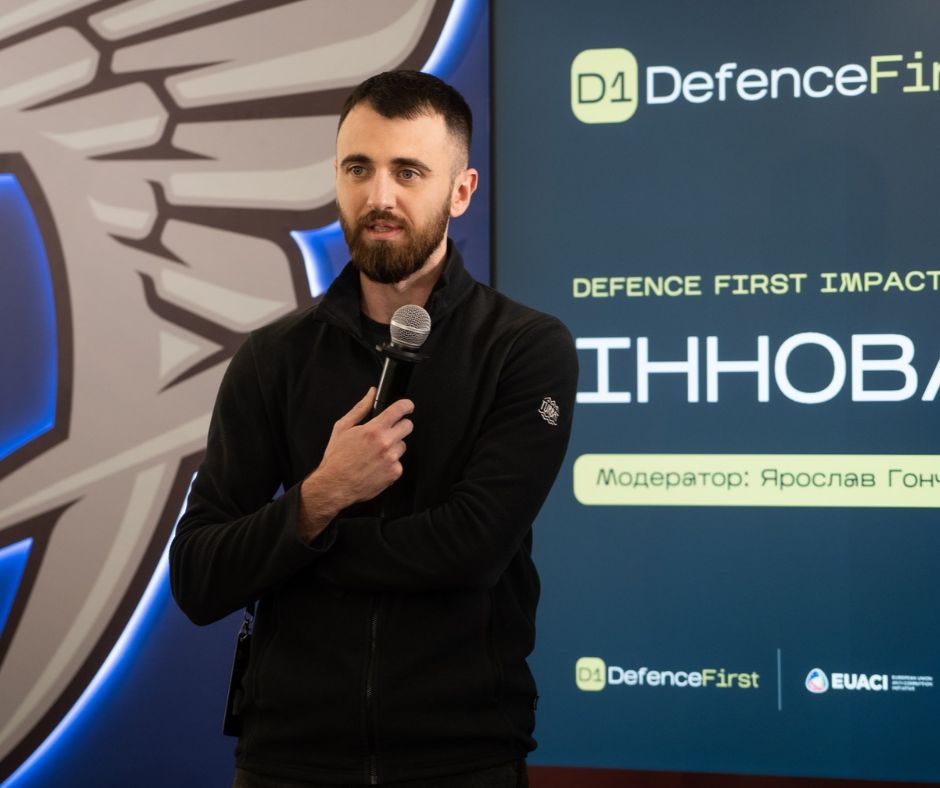
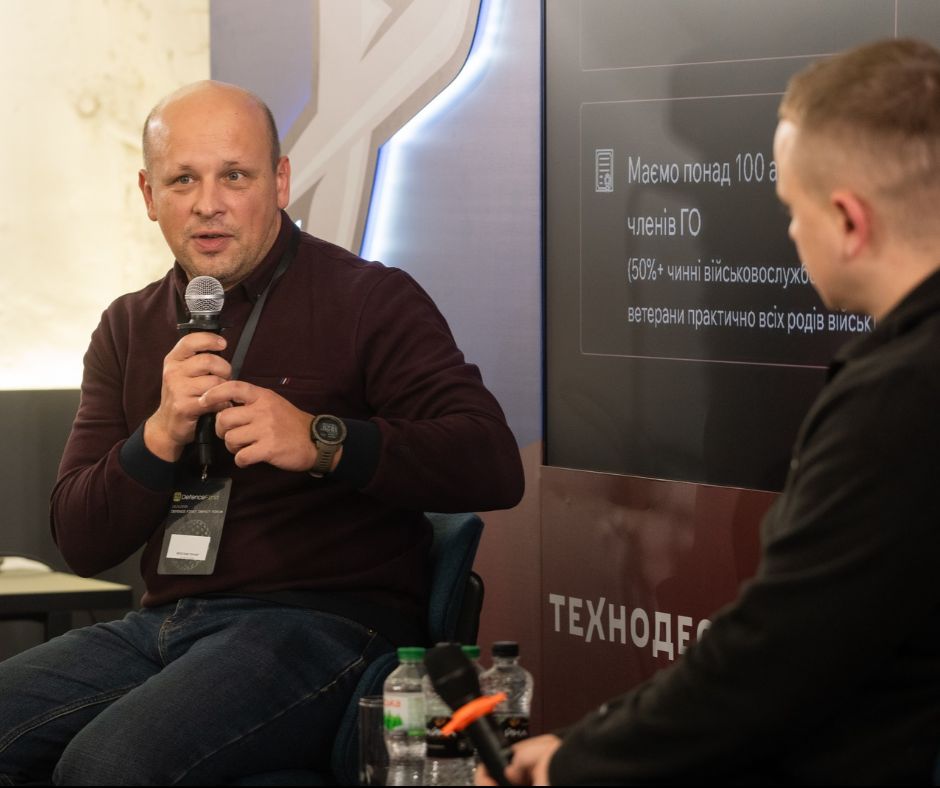
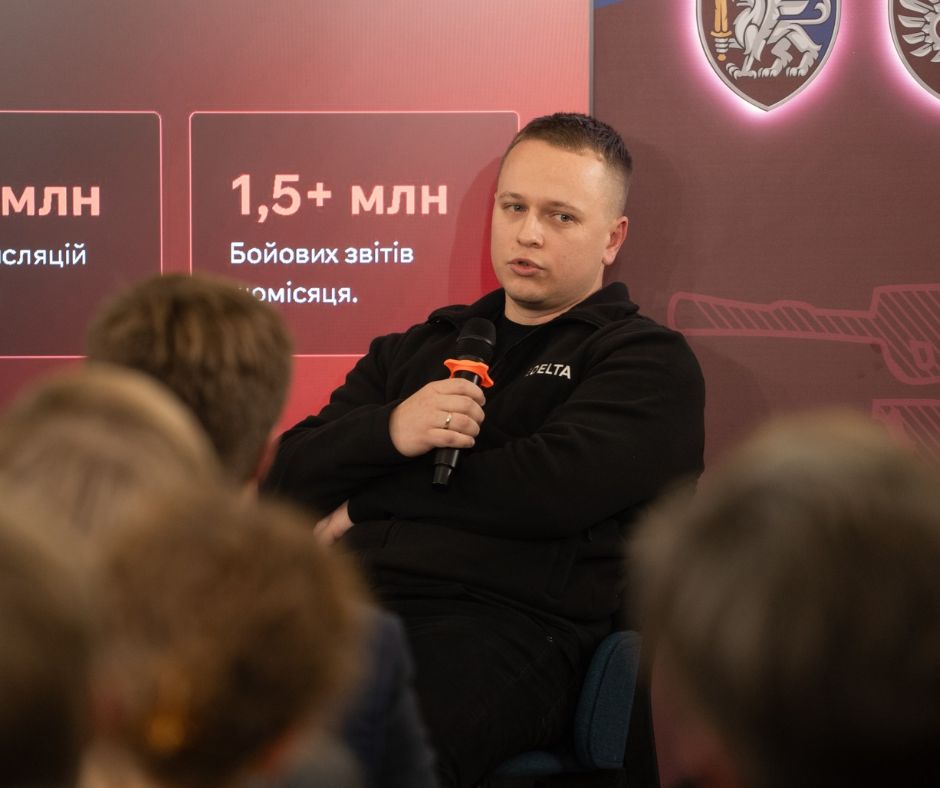
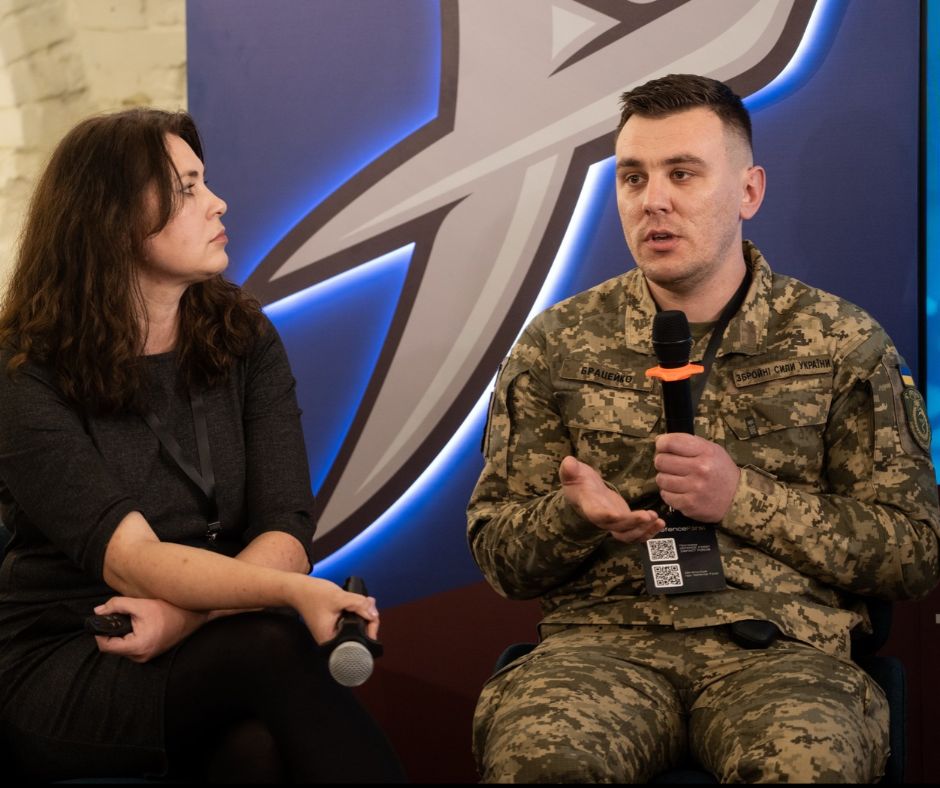
Defence innovation. Aerorozvidka, Dignitas Fund and the Sternenko Community Foundation, alongside representatives of the Ministry of Defence, Brave1, military personnel and veterans, presented three cases: the DELTA system, the Flight to Recovery (Litai) project and the Digital Rusoriz initiative. Participants explored how civil society and technology-driven initiatives contribute to developing new capabilities for Ukraine’s Defence Forces.
“In defence reform, proposing a good solution is not enough. It must also be implemented. Civil society can provide expertise, the government has the authority and capacity to scale solutions, and international partners can offer essential support. The cases presented at the forum demonstrate what can be achieved when all three work towards a common goal,” said Oleksii Dorohan, Executive Director of BRDO.
Over 20 initiatives developed by the Defence First Coalition
The Defence First Coalition has developed and documented over 20 initiatives across five priority areas: people and human capital; governance and capabilities; procurement and supply; digitalisation; and NATO and international integration.
Each initiative includes a specific proposal, an overview of its current implementation status and the actions required to take it forward. Together, these initiatives provide a basis for substantive dialogue with government institutions and international partners on reform priorities, the allocation of responsibilities and continuity of reforms.
“Civil society has already developed concrete proposals that are ready to be taken forward. But putting them into practice requires designated responsibilities, agreed timelines and government support. A change in leadership must not mean starting reforms from scratch. This is particularly important during wartime, when the cost of such delays is simply too high,” said Maksym Kostetskyi, Head of the Centre for Policy Making and member of the Public Anti-Corruption Council under the Ministry of Defence of Ukraine.
Following the forum, the Defence First Coalition called on government institutions and international partners to engage in implementing the proposed initiatives.
The forum was held with the support of the EU Anti-Corruption Initiative (EUACI), funded by the European Union and the Ministry of Foreign Affairs of Denmark.