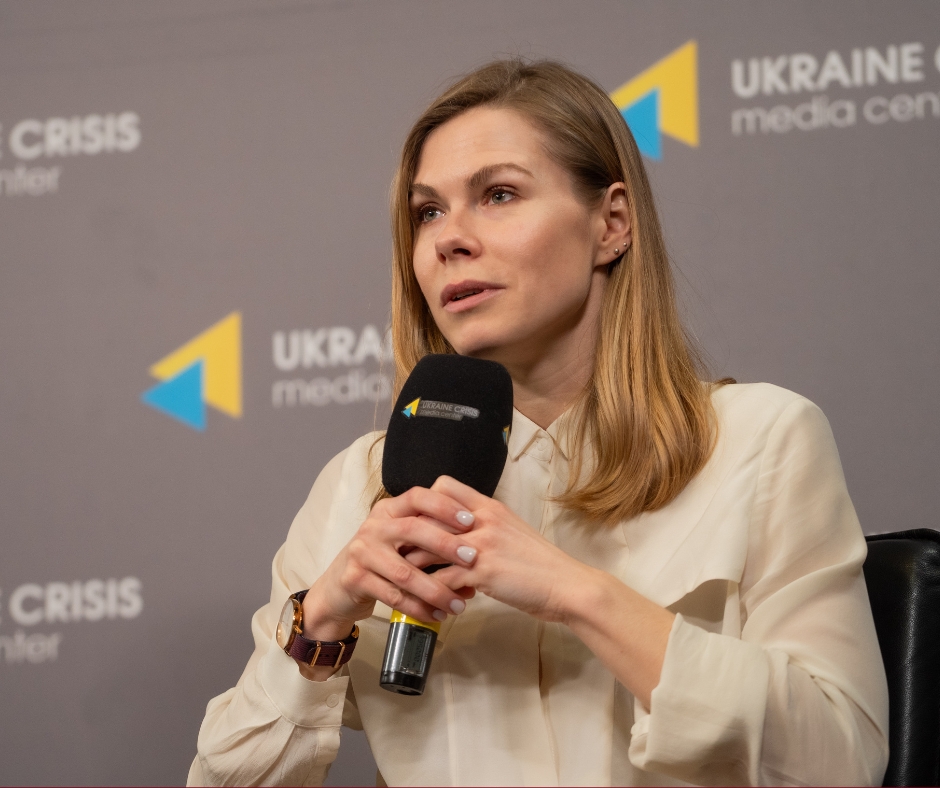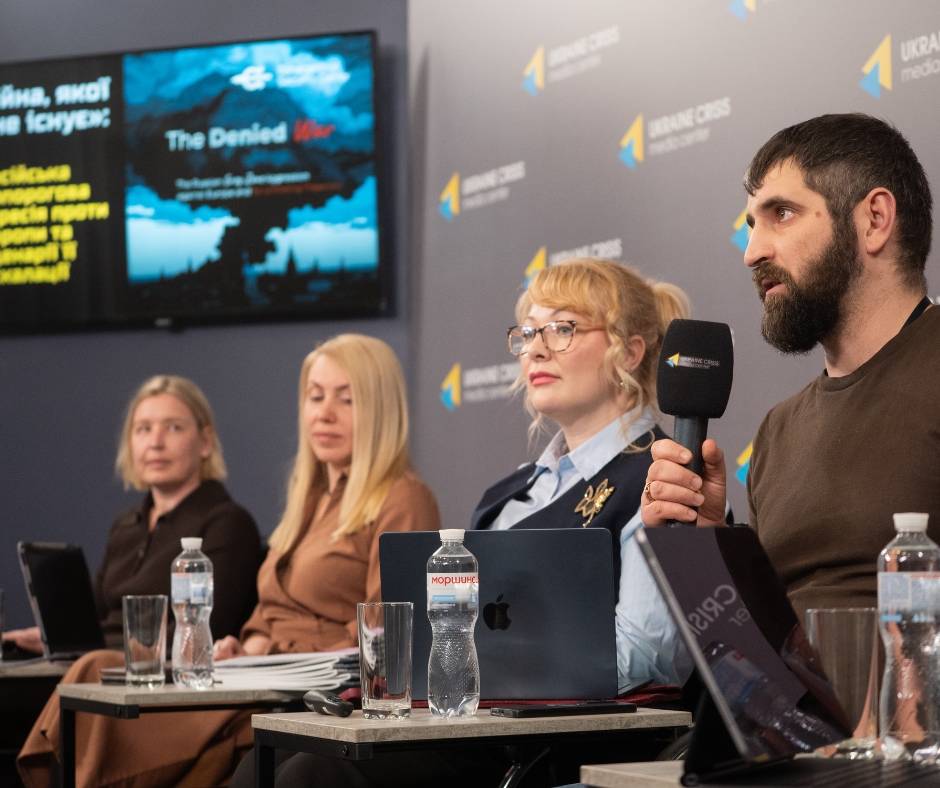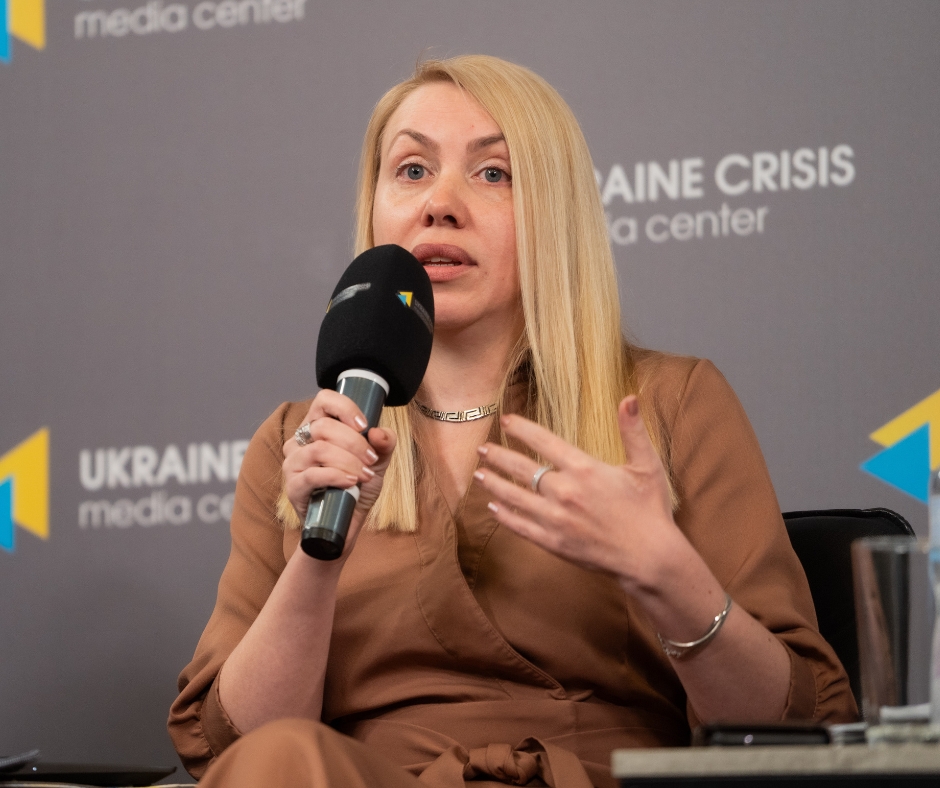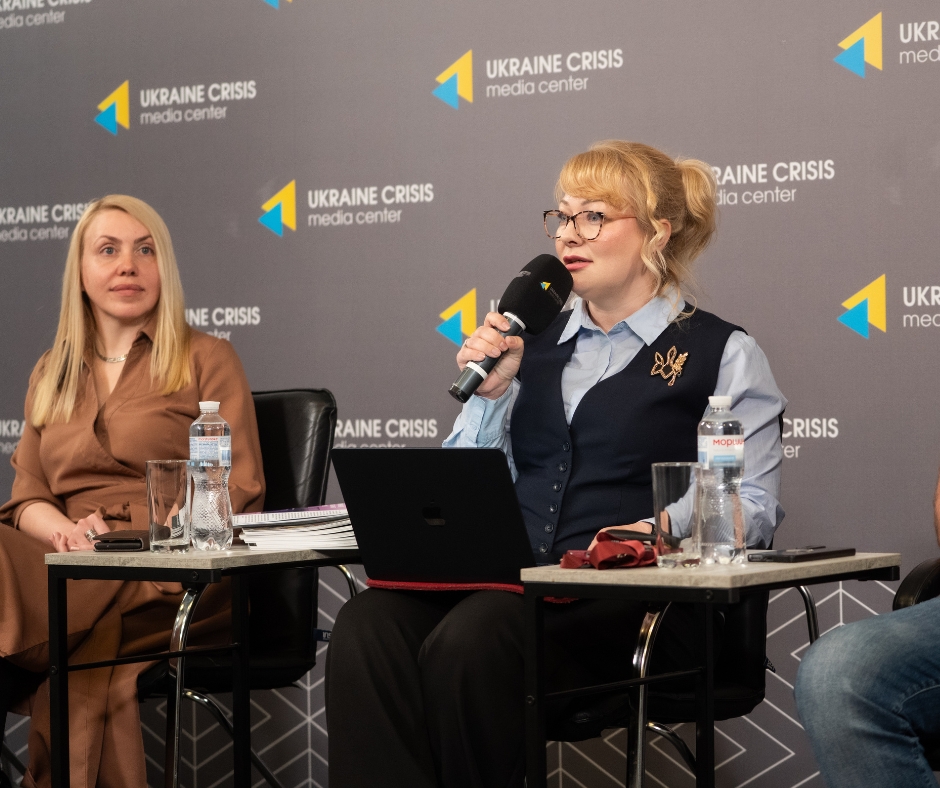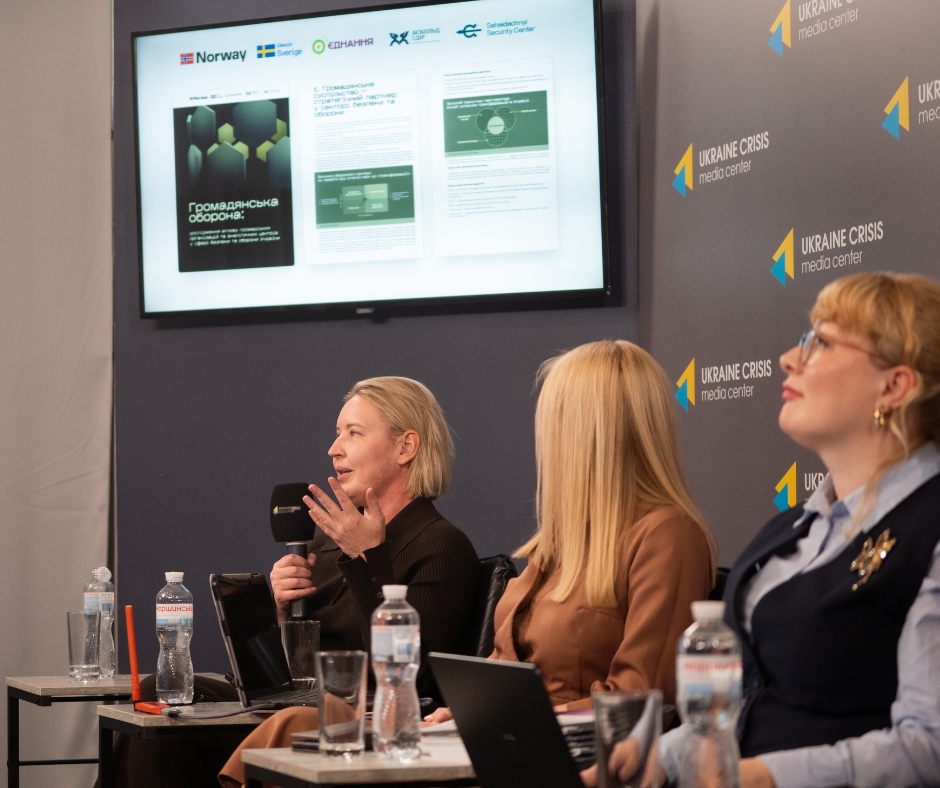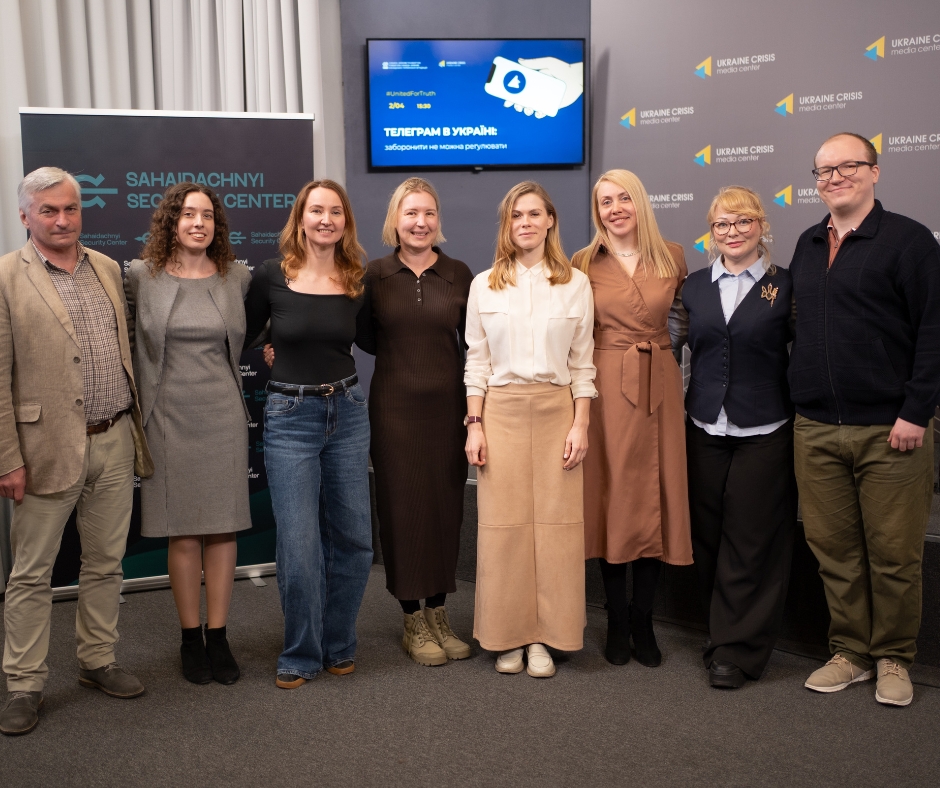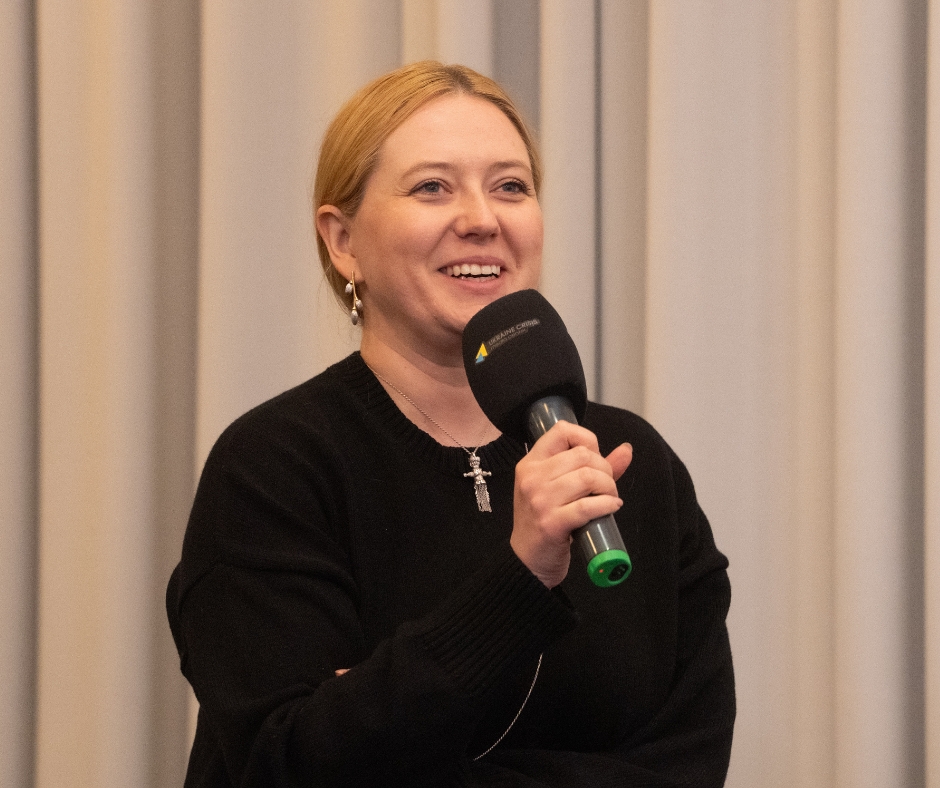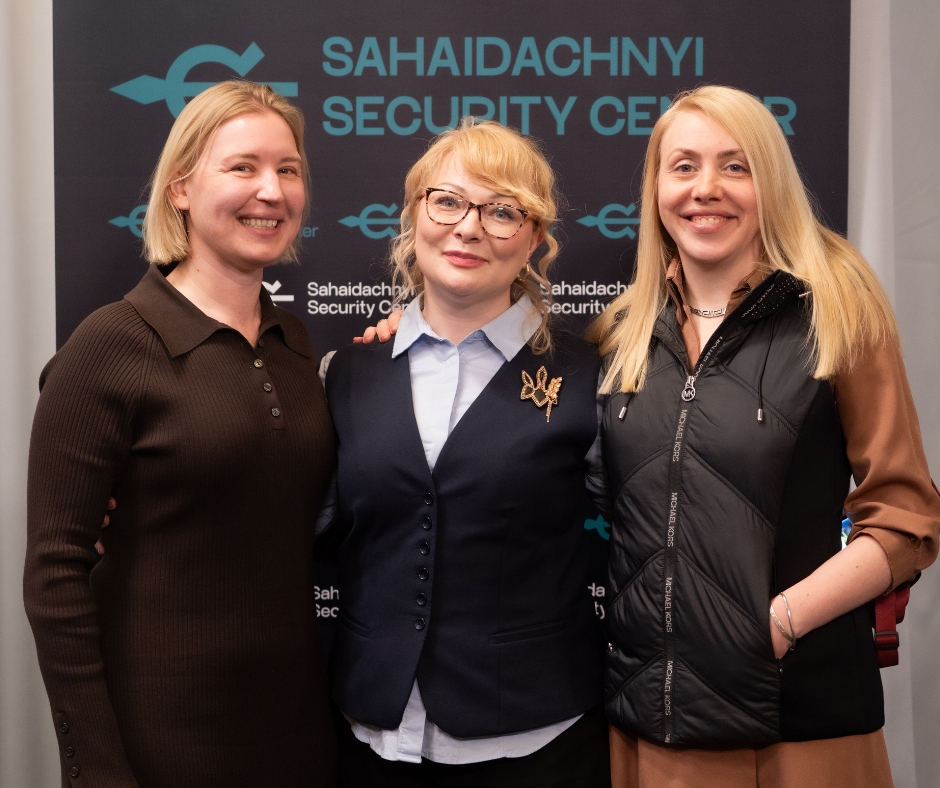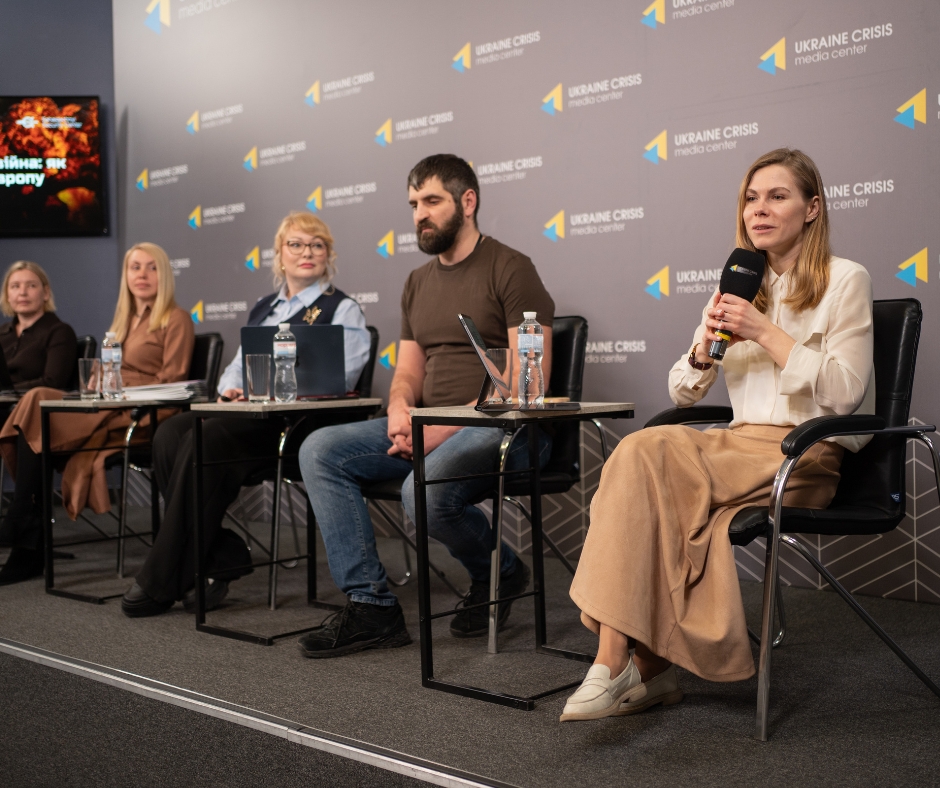
Russia is not preparing for a war with Europe — it is already waging one, and has been for quite some time. Since 2022 alone, the Russian Federation has attacked Western countries 300 times “below the threshold” of an official response by the North Atlantic Alliance (NATO). This was reported during a briefing at the Ukrainian Crisis Media Center on April 2 by Lesia Ogryzko, Director of the Sahaidachnyi Security Center.
The analytical center has created an online tracker, The Everywhere War, which documents Russian military provocations, sabotage, cyberattacks, and other sub-threshold operations against Euro-Atlantic countries since 2022. According to the research, the largest number of such attacks has targeted Poland, Estonia, Germany, the United States, Lithuania, Finland, Denmark, and Latvia.
“We are observing a qualitative shift in Russia’s hybrid campaign against Europe,” says Lesia Ogryzko. “The Kremlin has moved from scattered manipulations in the cyber and information space aimed at solving tactical tasks to the deliberate preparation of a future operational theater for potential full-scale aggression. Russians are jamming GPS signals, recruiting saboteurs, damaging pipelines and energy cables, and massively using drones to test air defense systems and to conduct reconnaissance of military and strategic civilian facilities. Moscow’s efforts are aimed at preparing for the use of military force and undermining NATO countries’ political will to resist.”
Western analysts often mistakenly interpret hybrid warfare as a separate form of aggression, whereas according to Russian doctrine it is a stage of shaping the conditions for total war, the expert notes.
The Sahaidachnyi Security Center has further analyzed the current state and trajectory of Russia’s aggression against the EU in the study “The War That ‘Does Not Exist’: Russian Sub-Threshold Aggression Against Europe and Scenarios for Its Escalation.”
It identifies two main scenarios of open armed conflict. The first is the “Suwałki Gambit” (Suwałki Gap), aimed at seizing the narrow corridor between Kaliningrad and Belarus and isolating the Baltic states. The second is a full-scale regional war with simultaneous strikes across land, air, sea, cyber, and space domains to establish full control over the Baltic region.
Less likely scenarios include, for example, the seizure of Baltic Sea islands such as Gotland (Sweden) or Saaremaa (Estonia), as well as escalation in the Arctic or ground offensive operations in Finland or Norway. At the same time, it is emphasized that the main political objective of the Moscow regime is not the seizure and annexation of territories, but the infliction of a military-political defeat on NATO as an institution of collective European security.
The study also separately analyzes the operational scenario of a full-scale Russian aggression in the EU and assesses the balance of forces across five operational domains.
“Europe reassures itself with hopes for a collective NATO response to possible aggression,” notes Lesia Ogryzko. “Instead, we call on partner countries to pay timely attention to protecting their own infrastructure and to developing modern algorithmic military capabilities based on robotic and autonomous combat systems. Russia has already acquired these capabilities, and Ukraine is the only country in the Western world that can ensure the EU’s readiness to repel aggression or reduce its likelihood. For this, it is no longer enough to seriously study our experience: full-fledged cooperation in joint capability development and Ukraine’s integration into the European security space are required.”
For civilian populations in EU countries, the practical booklet “Life Under Fire: Lessons from the Experience of War and the Resilience of Ukrainian Society” may be useful.
This material contains a list of examples and lessons learned from Ukrainians’ experience, as well as clear practical advice. It is designed both for individual citizens and for representatives of civil society, business, and local authorities.
“This is a collection of advice for three groups of the population: those who will defend the country in the ranks of the army or territorial defense, those who will remain in the country, and those who choose to leave. The advice is structured by key stages — from preparation before the invasion, to the first hours, days, weeks, and life under conditions of prolonged war. No experience can be copied, and each country will go through this path in its own way. At the same time, this material is an invitation to think about decisions that cannot be prepared for theoretically until they become reality,” comments Olena Davlikanova, Associate Senior Analyst at the Sahaidachnyi Security Center.
Russia systematically combines subversive activities with cognitive influence. In response, the Sahaidachnyi Security Center, in partnership with the digital project Ukraine, has developed a series of informational cards primarily aimed at Western audiences — journalists, experts, politicians, and the broader public in EU and NATO countries. Kremlin narratives about the “causes of the war” or the “inevitability of Russia’s victory” are part not only of the war against Ukraine but also of hybrid aggression against Europe, as they undermine political will to resist and influence decision-making. The series of micro-publications offers concise, fact-checked rebuttals of these claims in a convenient visual format adapted for rapid dissemination.
“We analyzed thousands of pieces of Russian propaganda to identify key hostile narratives. Over four months of distributing fact-based cards debunking them, the reach has amounted to 2.5 million people, predominantly a foreign audience. Complex issues must be explained through facts and evidence. And the truth always prevails — even over the sweetest lie,” comments Kateryna Barysheva, Project Manager at the Sahaidachnyi Security Center.
The series of publications debunking Russian myths and the booklet “Life Under Fire” were implemented with the support of the Askold and Dir Foundation, administered by ISAR Ednannia within the project “A Strong Civil Society of Ukraine — A Driver of Reforms and Democracy,” funded by Norway and Sweden. The content of the publication is the responsibility of the Sahaidachnyi Security Center and does not reflect the views of the governments of Norway, Sweden, or ISAR Ednannia.