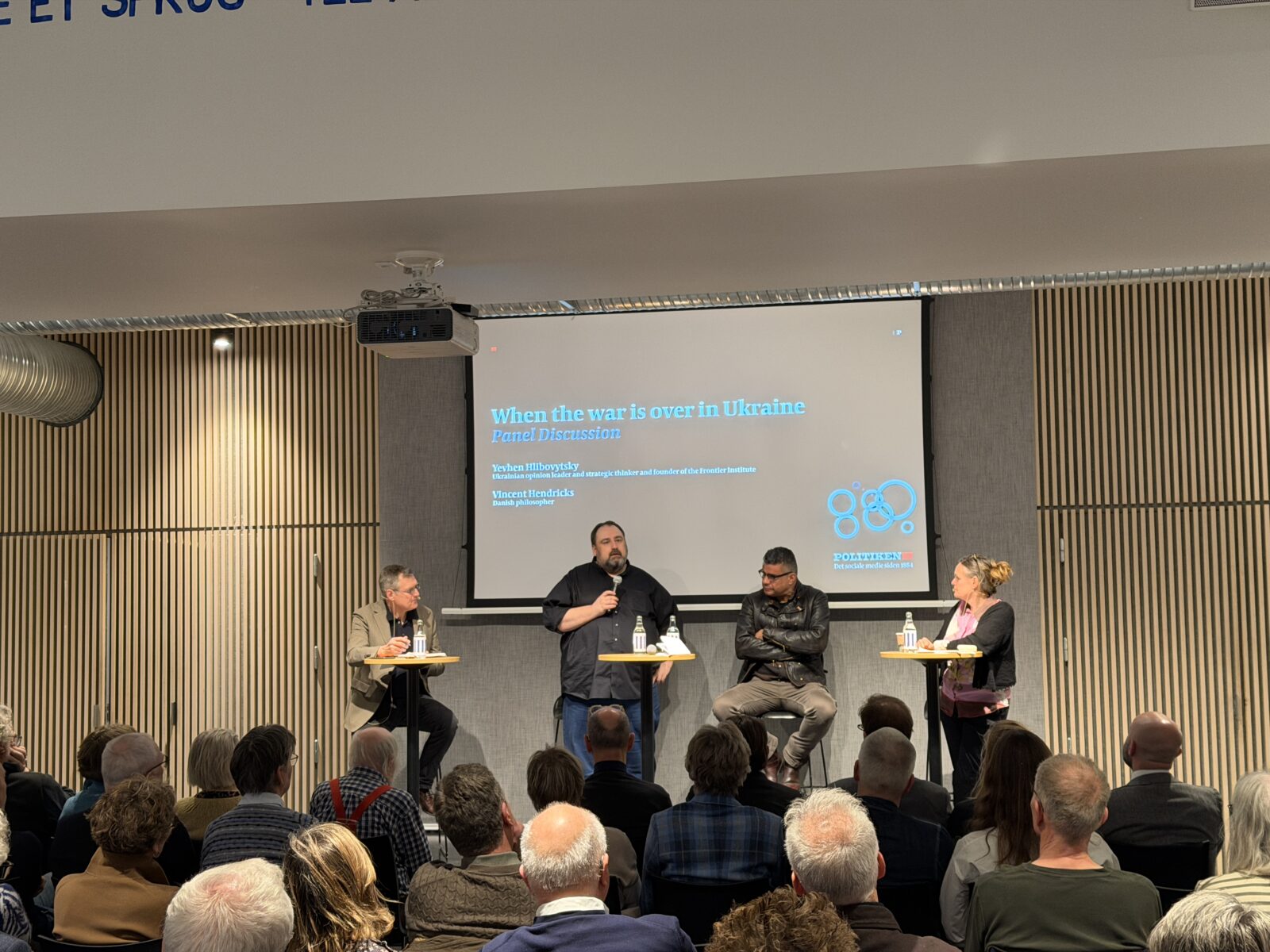
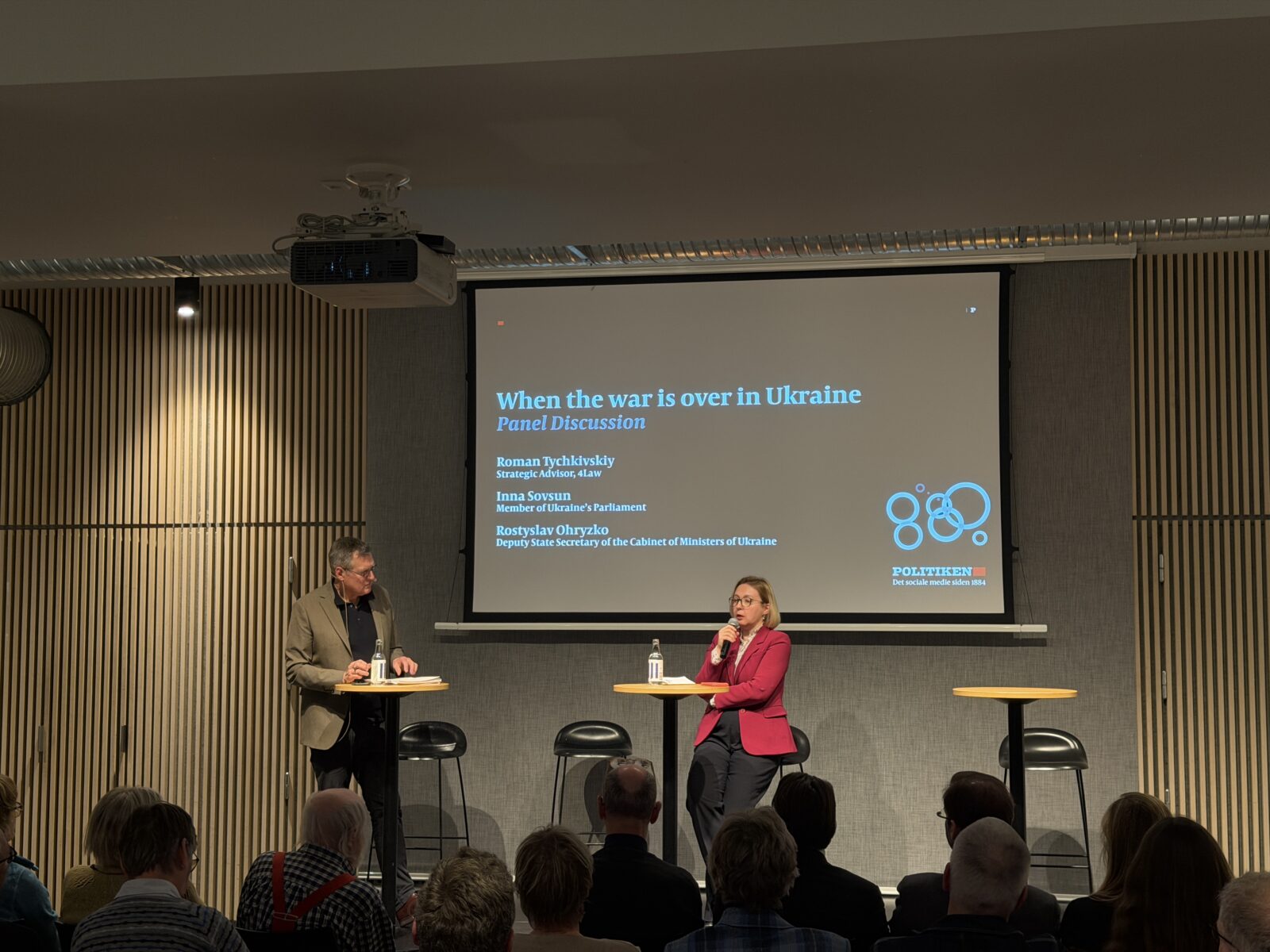
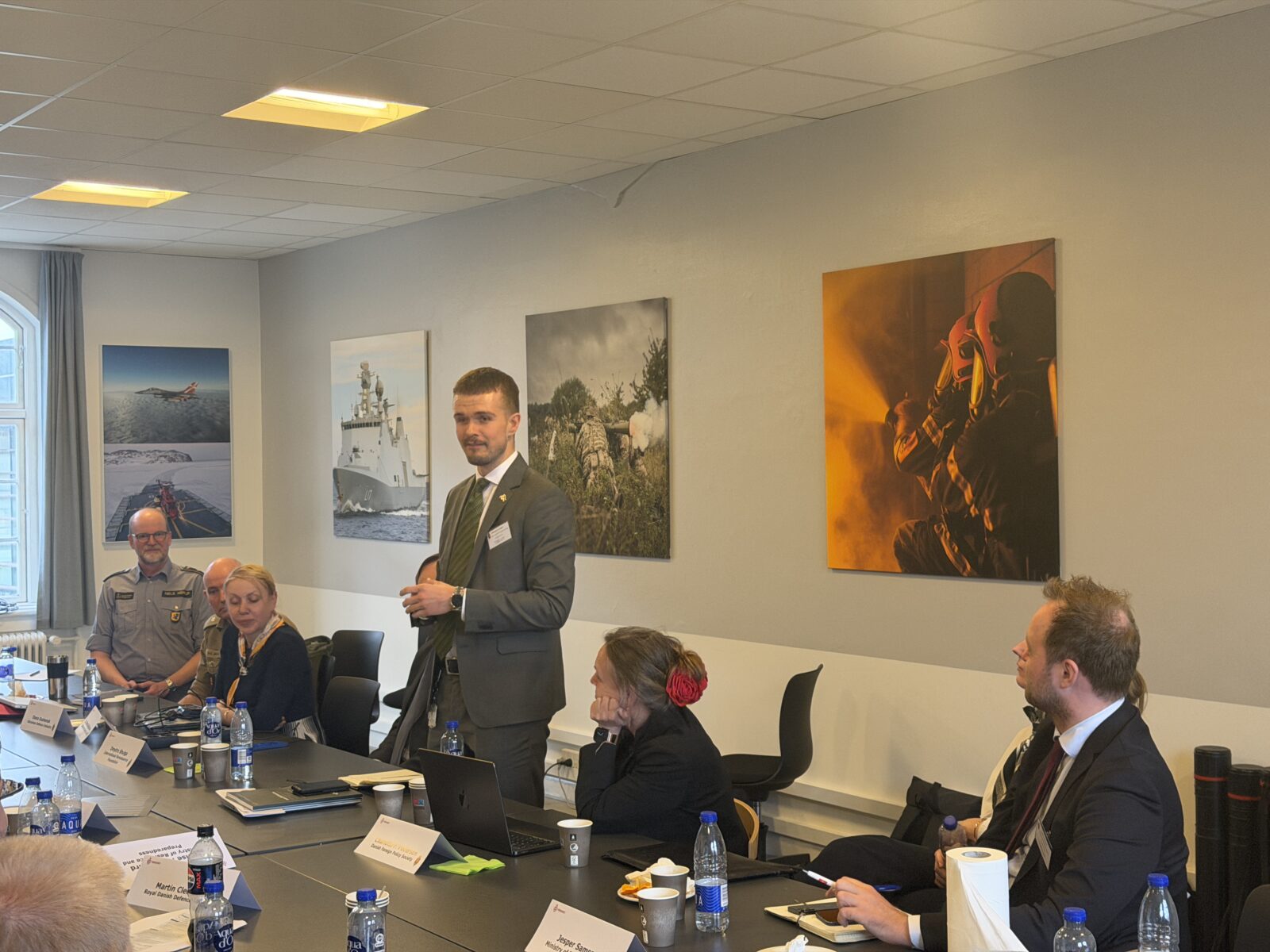
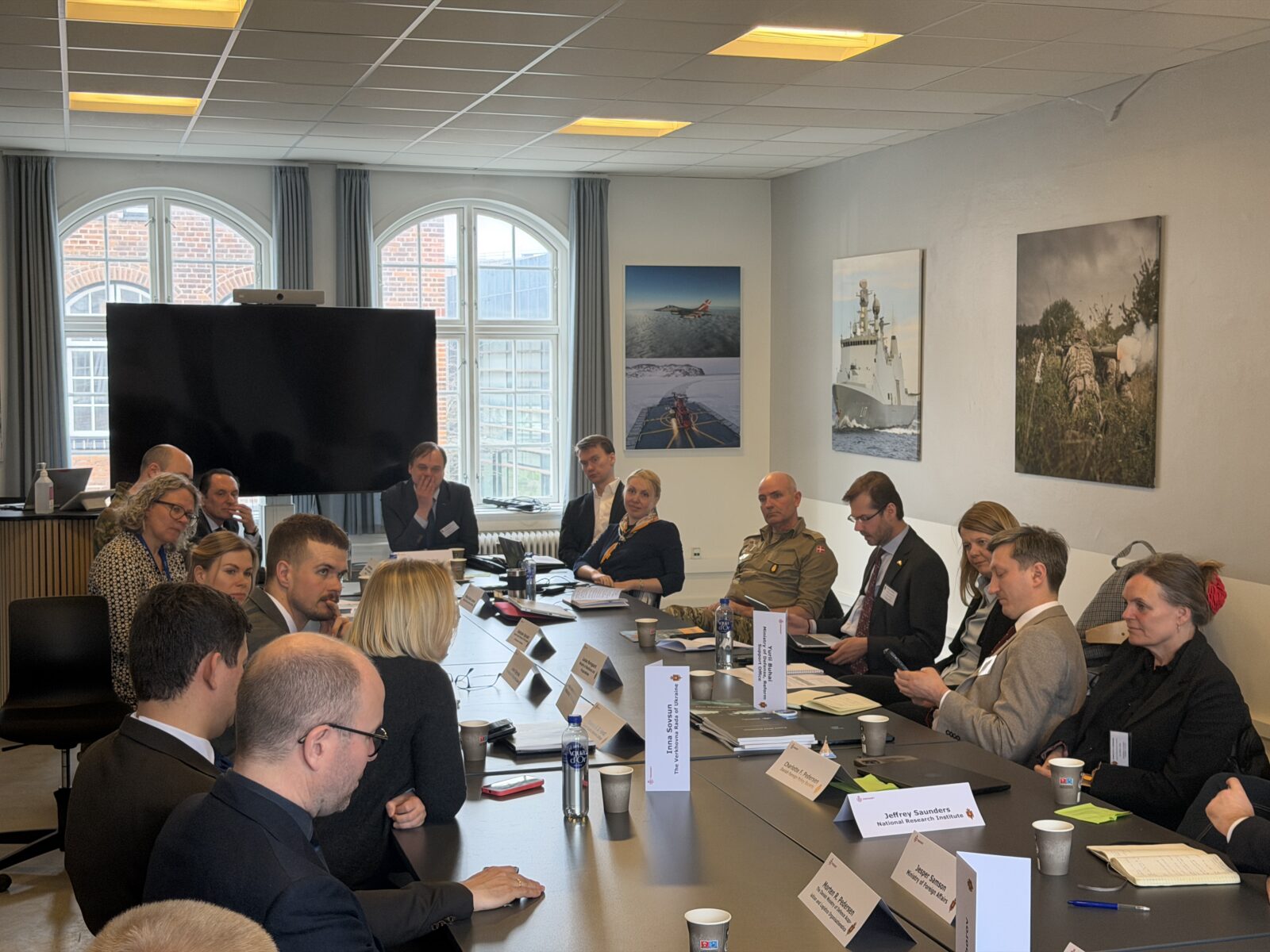
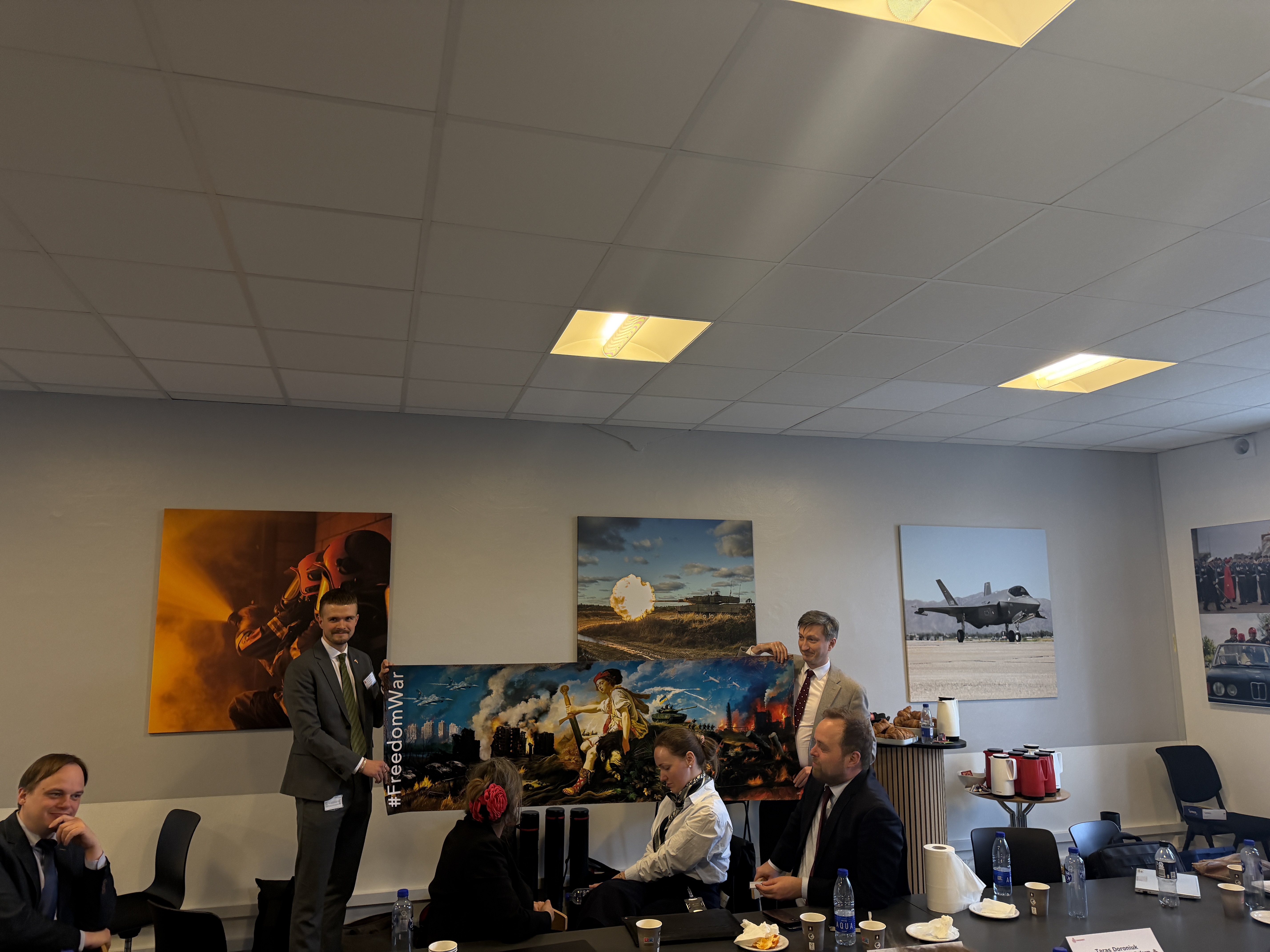
On March 25–26, Copenhagen hosted the “Ukrainian–Danish Forum on Total Defence” — an expert dialogue between Ukrainian and Danish representatives from the defense sector, government institutions, think tanks, academia, and the defense industry. The event was divided into open and closed sessions.
The forum served as a platform to reflect on how the nature of modern warfare is evolving and how Ukraine and its European partners can jointly adapt their defense systems to new challenges.
At the center of discussions was Ukraine’s wartime experience as a source of practical lessons for allies. Over twelve years of Russian aggression, Ukraine has become a laboratory of rapid military innovation — from drones and autonomous systems to new approaches in organizing the defense industry and military planning.
“While Europe is still asking whether it is at war with Russia, Russia is already waging a full-scale sub-threshold war against it — something clearly visible in our ‘Everywhere War Tracker’. Europeans must move beyond the idea of ‘deterring by ignoring’ — the belief that not acknowledging attacks will prevent escalation. This approach will only lead to more severe consequences. Instead, they need to adopt a doctrine of retaliation — responding to every attack,” said Olena Davlikanova, Associate Senior Analyst at Sahaidachnyi Security Center.
“War has accelerated the pace of innovation: what once took years to develop can now be created, tested, and deployed on the battlefield within weeks. In such conditions, not only technology matters, but also the ability of institutions to adapt quickly,” noted Taras Doroniuk, expert at the Ministry of Defense Reform Support Office and co-founder of Sahaidachnyi Security Center.
A separate discussion focused on scaling defense production. Today, Europe faces bureaucratic and regulatory barriers that hinder rapid expansion. Ukraine’s experience in mobilizing its defense industry and engaging the private sector became a key reference point.
“Drone manufacturers disconnected from the frontline will always lag behind. One way to change this is by creating joint ventures with Ukrainian companies,” said Oleksii Ziborov, servicemember of the Unmanned Systems Forces and technical lead of Ukraine’s drone capability coalition team.
The forum also addressed scenarios for Russia’s future and their implications for European security, with Ukrainian and Danish analysts comparing possible trajectories and discussing how Europe should prepare.
Equally important was the discussion on societal resilience.
“The world expected this war to last three days — yet it has continued for over four years, because the very nature of war has changed. Ukraine’s key lesson is that war is not only about the army, but about societal resilience: trust, solidarity, and citizens’ readiness to take responsibility for national security. People often ask whether I represent the state, the army, or civil society — the answer is all of them. Ukrainians operate across roles, and this is our understanding of total defense,” said Yurii Buhai, Head of Analytics at the Ministry of Defense Reform Support Office.
The forum also provided space to discuss practical cooperation between Ukraine and Denmark — from drone innovation to joint defense-industrial projects.
“We are pleased to deepen cooperation between Ukraine and Denmark, building new bridges not only in defense but also through better mutual understanding between our societies. This is how the foundation for deeper defense integration and new security alliances is formed in a world increasingly entering a phase of profound geopolitical turbulence,” said Lesia Ogryzko, Head of the Reform Support Office at the Ministry of Defense of Ukraine and Director of Sahaidachnyi Security Center.
The Ukrainian delegation included representatives of government, civil society, and thought leaders from the defense, cultural, educational, and diplomatic sectors.
The forum was organized by Sahaidachnyi Security Center and the Ukrainian Institute at the Ministry of Foreign Affairs of Ukraine, in partnership with the Royal Danish Defence College, with the support of the International Renaissance Foundation, the Ukrainian House in Denmark, and the University of Copenhagen.
Key takeaway: Ukraine is already fighting a new-generation war, while European countries are still adapting to its challenges. The real question is not whether Europe should learn from Ukraine, but whether it can integrate these lessons in time — before similar threats reach its borders.